Stop Fighting Heat Fluctuations in Your SIPA and KOSME Blowers
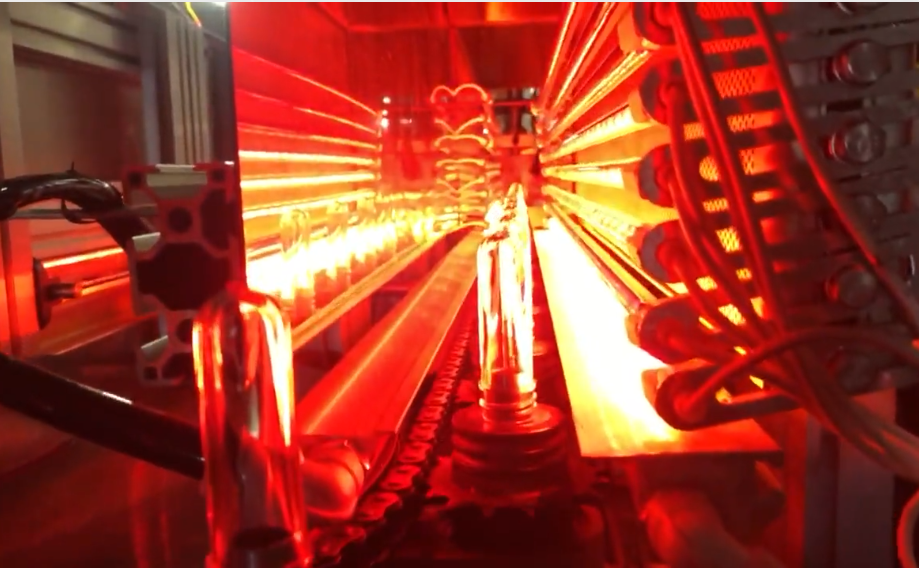
Ever deal with those annoying wall thickness variations or bottles that just burst for no apparent reason? Usually, it comes down to inconsistent preform heating. And here is where a lot of people trip up: when a lamp goes out, it’s tempting to just grab something “close enough” in wattage. But in the world of PET blowing, “close enough” is exactly what causes those frustrating fluctuations. That’s why we build our replacement lamps for KOSME and SIPA rotaries to hit the OEM power curve exactly. No guessing. The problem with “almost” right Think about it this way. Your machine is tuned for a very specific voltage and wattage. If you drop in a lamp with a different resistance, you change the current draw. Suddenly, the heat density across your preform shifts. Even a tiny 5% mismatch can create “hot spots.” One minute everything looks fine, and the next, your bottle geometry is shot. We build our tubes to 100% power specs so the thermal profile stays flat and predictable. The nitty-gritty stuff We use high-purity quartz glass because these things take a beating from rapid heating and cooling. Whether you need R7s or SK15 connectors, the footprint is identical to the original. You just pop them in. No messing with the wiring, no fighting with the reflector housing. We also make sure the tungsten filament is centered perfectly. If it’s off by a hair, the radiation hits the preform at the wrong angle, and you’re back to square one. Real talk: The shop floor reality Matching the power is a huge part of the win, but it isn’t everything. High-wattage IR lamps put out an incredible amount of heat. If your reflectors are oxidized or your cooling fans are choked with dust, even a perfect lamp is going to burn out way too soon. Do yourself a favor: check your reflectors every single time you swap a tube. If the reflector looks dull, the heat doesn’t bounce forward—it bounces right back into the quartz. That spikes the temperature and kills the lamp’s lifespan. Clean the reflectors, wire these up, calibrate your oven zones, and you can finally stop worrying about those heating swings.