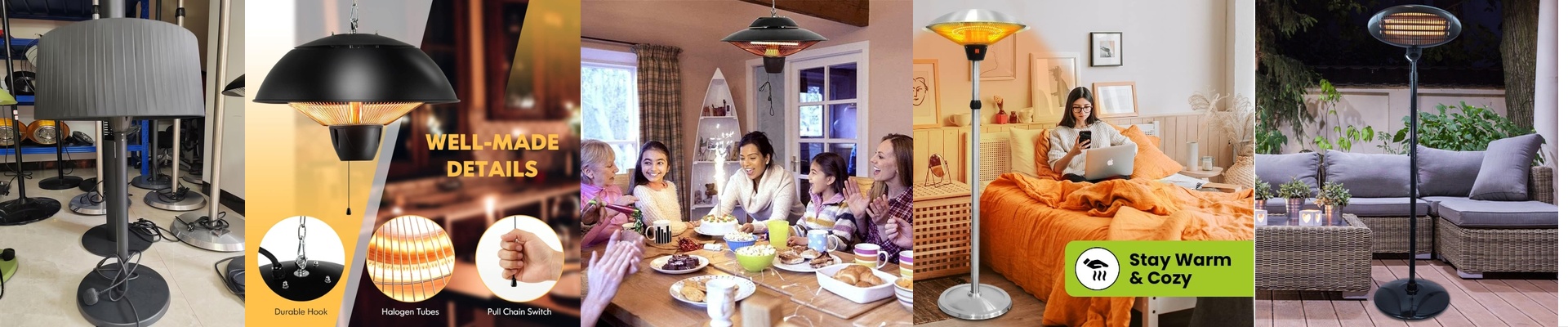
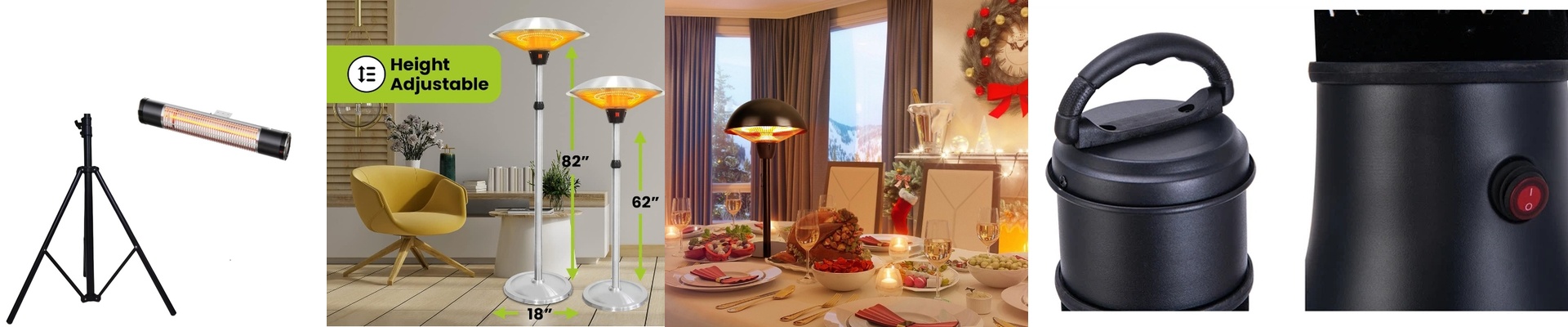
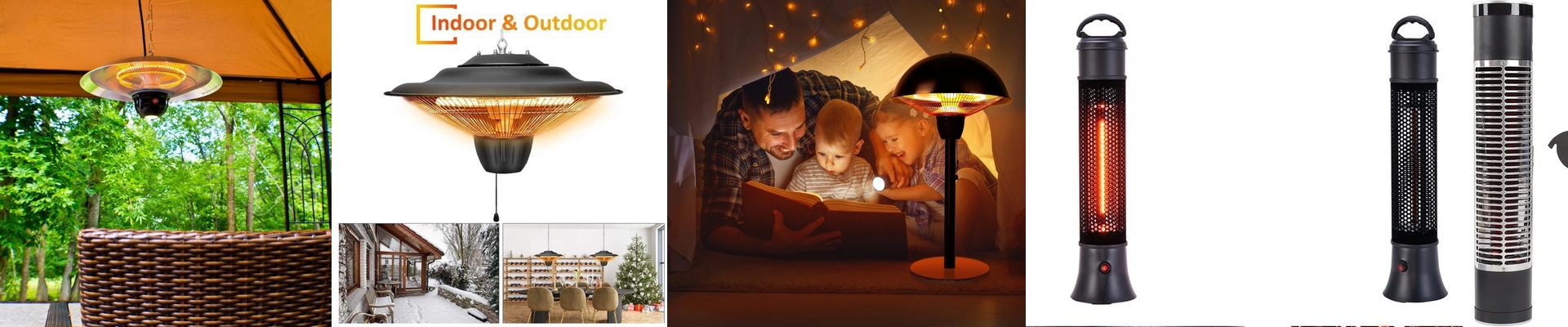
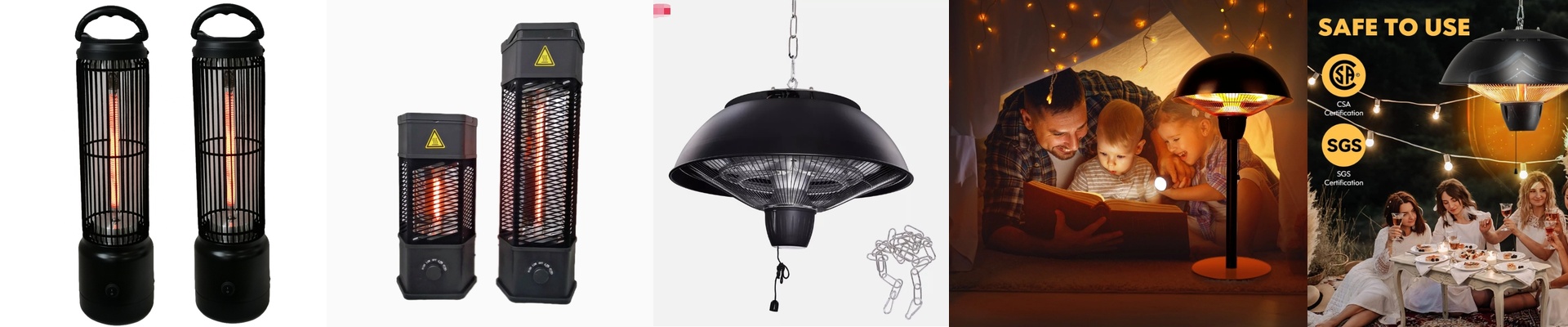
Introduction
We built this infrared heater to stand up to the real-world mess of a chicken coop. Moisture. Ammonia. The kind of damp that eats away at electrical parts. So we made it waterproof, and we made it smart. The whole idea is modular. If a heating tube ever burns out after years of service, you just pop out the old one and drop in a new one. Minutes, not hours. No rewiring. No tearing the whole system apart. Just swap and go.
Power, Voltage, and Size—Kept Practical
We set the tube at 2500W on a 400V circuit because you need serious heat density in a small footprint. That setup gives you strong infrared output, so you can warm big coop areas without leaning on convection. The tube is 300mm long, which keeps the whole unit compact. It fits into tight mounting spots where longer heaters would be a pain. That kind of power needs a solid electrical match. Running at 400V lowers the current draw compared to lower-voltage options, which means less stress on terminals and wiring. Just know this: you’ll want a control panel and supply lines rated for that voltage. And the cooling setup around the heater needs to be sized right for the heat in the space.
Materials and Design—Built for the Coop
The heating element is quartz with a halogen fill. Why? Because it delivers steady infrared output and responds quickly when the temperature changes. The tube is coated to keep water out and to resist chemicals—ammonia, cleaning agents, all of it. The coating stays tough even after endless wet-dry cycles. For the electrical connection, we use an R7s connector. It gives you a secure, low-resistance contact, and it lets you swap the tube without opening sealed junction boxes. The module mounts with quick-release clips, so you can service the heater without messing with the bracket or the structure of the coop.
Why This Matters for Your Coop
In a coop, reliability comes down to two things: keeping moisture out and making repairs easy. The waterproof build does the first part. The modular tube design does the second. When a tube reaches the end of its life, you replace just the tube—not the entire heater. That means less downtime, fewer spare parts sitting around, and a heating system you can keep running with minimal labor. And the infrared heat does something important: it targets the bedding and the birds directly, not just the air. That makes heat transfer more efficient. The payoff for you is comfort you can feel—steady temperatures right where chicks need them, at floor level. It also means less strain on the overall electrical system.