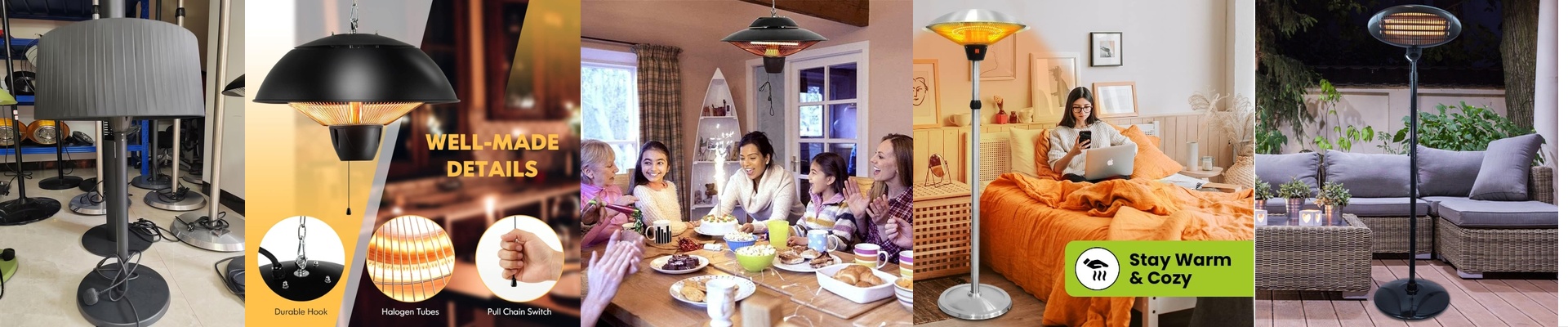
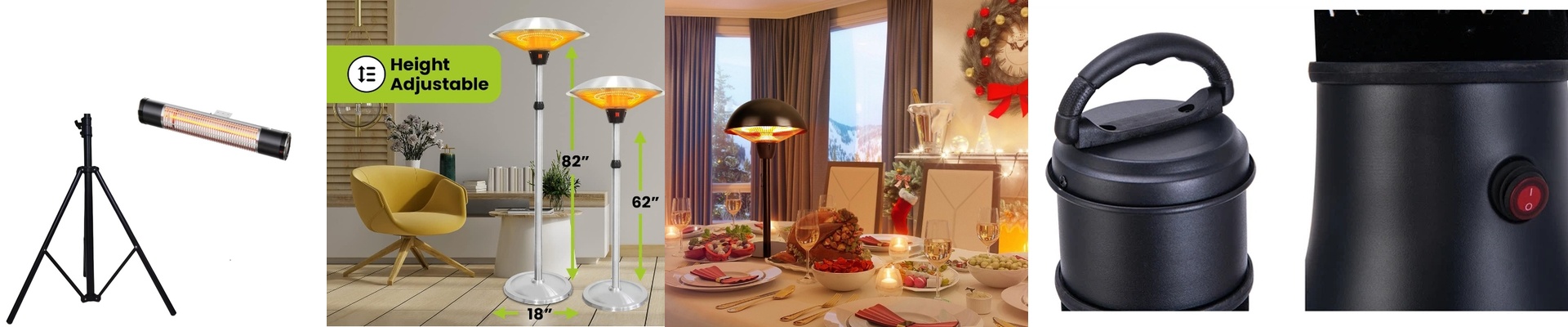
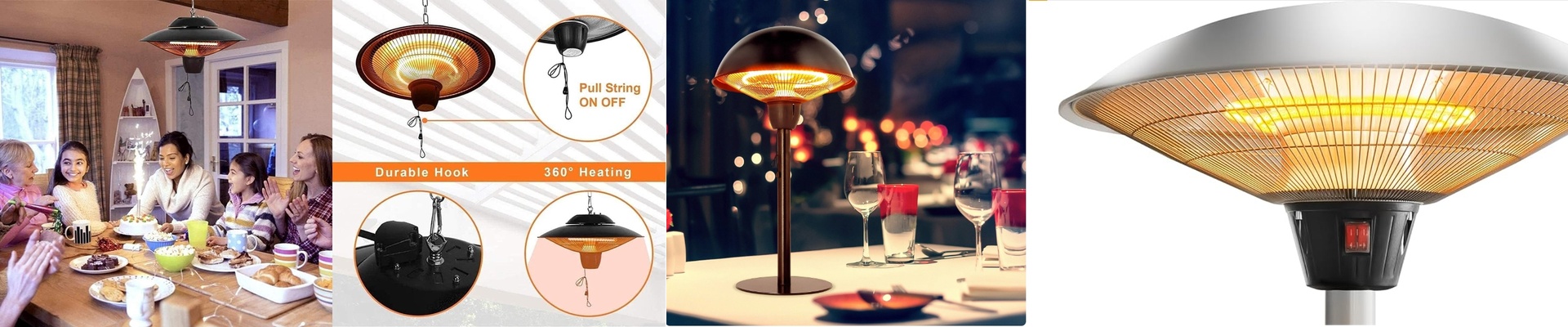
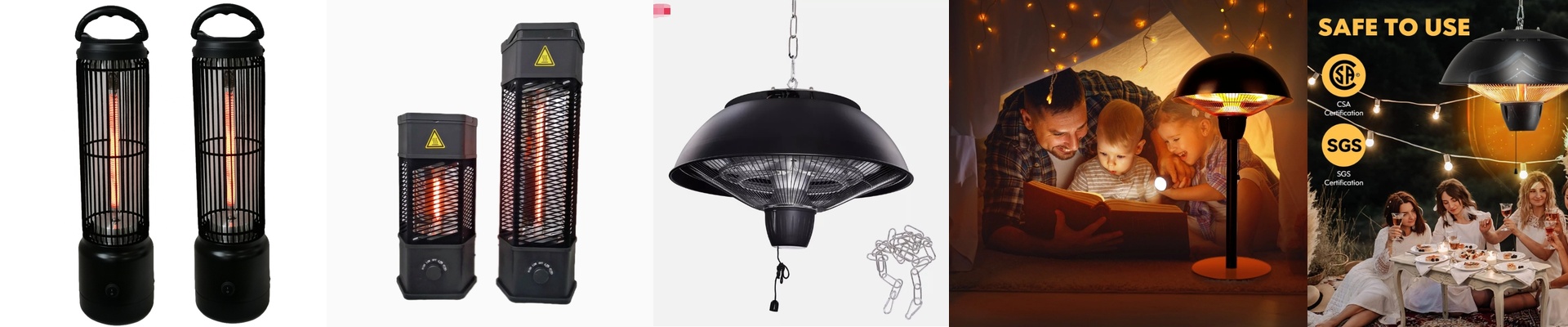
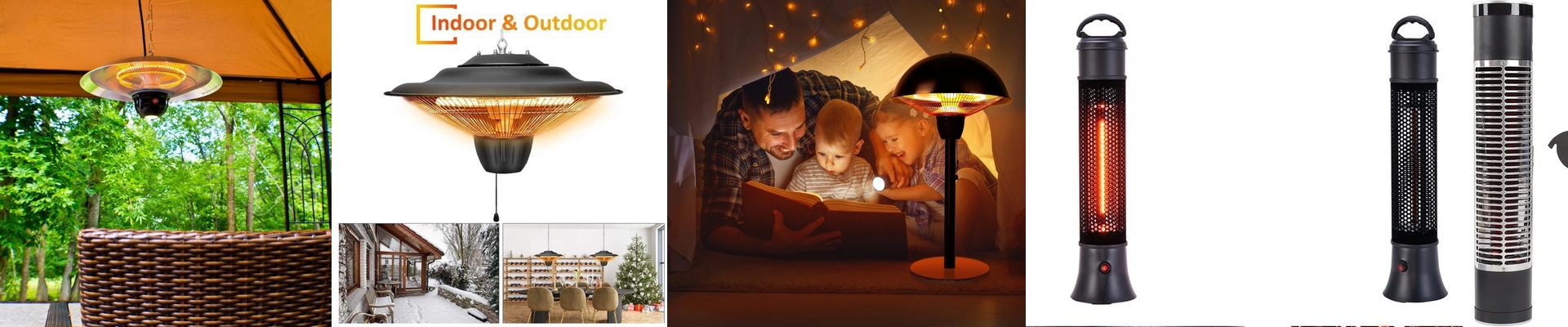
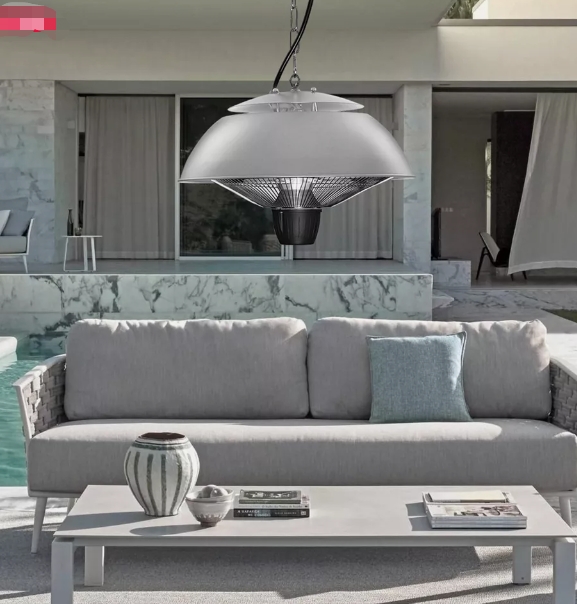
In a showcase that has to stay spotless, or a lab where airborne dust can wreck a day’s work, forced-air heating is a sneaky liability. The drafts kick up particles. The thermostat hunts, overshooting and undershooting. The environment wavers—and so does your confidence.
What Matters, Under the Hood
We built this convector heater around infrared radiant warmth. Heat goes straight to surfaces and people, without blowing air around. That gives you even warmth with no swirling currents. The heating element stays sealed and clean, and the cabinet is shaped to shed dust instead of trapping it. Pair that with a tight thermostat, and you get stable, repeatable temperature control. In sensitive spaces, that means fewer micro-fluctuations, less stress on equipment, and fewer headaches chasing comfort.
Why It Fits These Rooms
Showcases and precision labs need heat that stays within the lines. With infrared convector heating, you keep display finishes free from draft-driven dust and hold instruments steady. The warmth comes on quickly, holds, and doesn’t stir up particulates that settle on glass, optics, or samples. The practical upside? Fewer cleaning cycles, fewer rejects, and conditions that stay consistent day after day. Energy goes where it counts, so you’re not heating empty air only to lose it to drafts.
The Practical Stuff
Infrared convector heaters do their best work with clear sight lines and unobstructed placement. Aim the warmth where you need it, and keep the unit accessible so you can do routine cleaning of the front face. Plan for a dedicated circuit, and confirm local voltage and plug requirements before you settle on the final spot. The heating element is sealed, but any heater in a low-airflow area still benefits from a quick quarterly wipe-down to keep performance consistent.