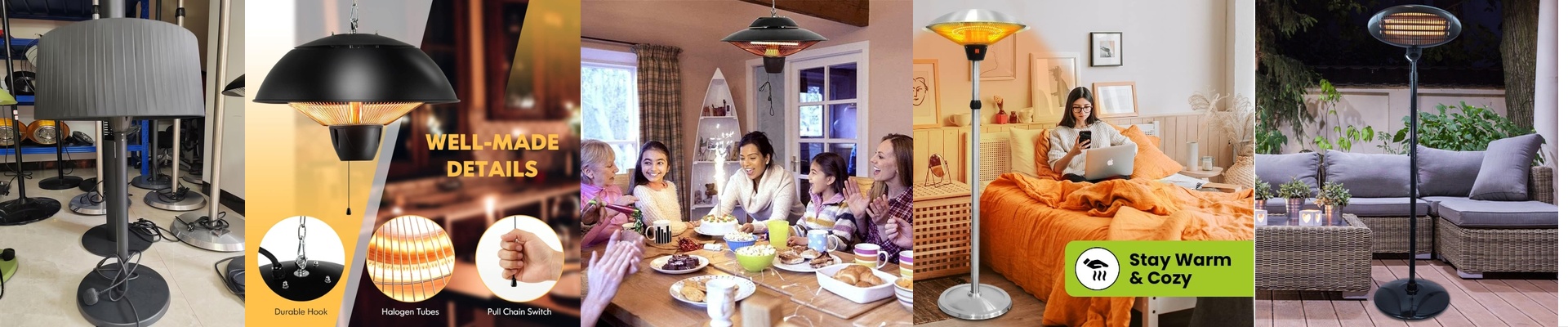
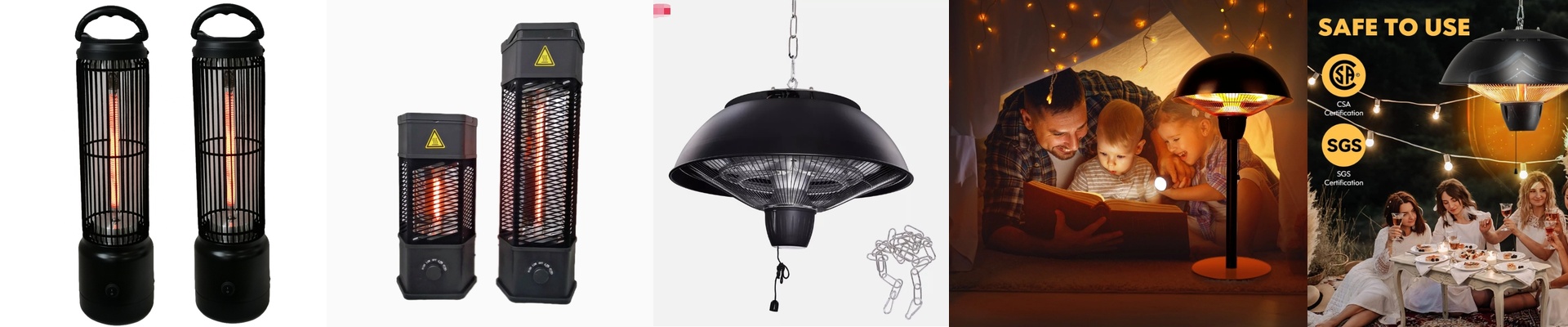
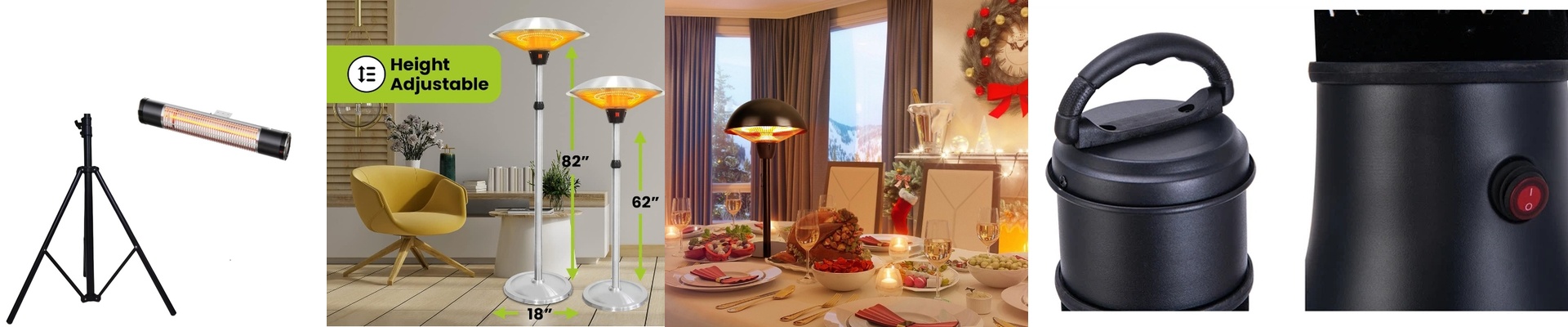
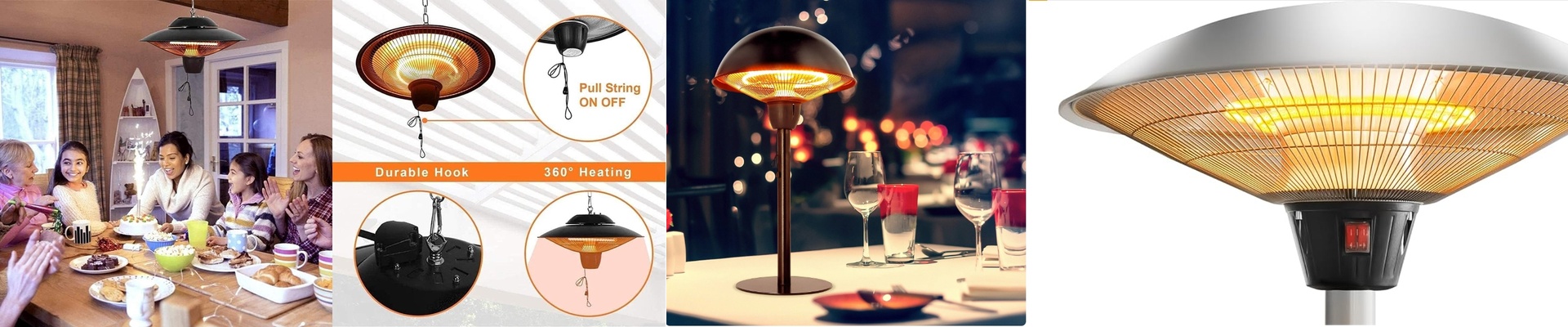
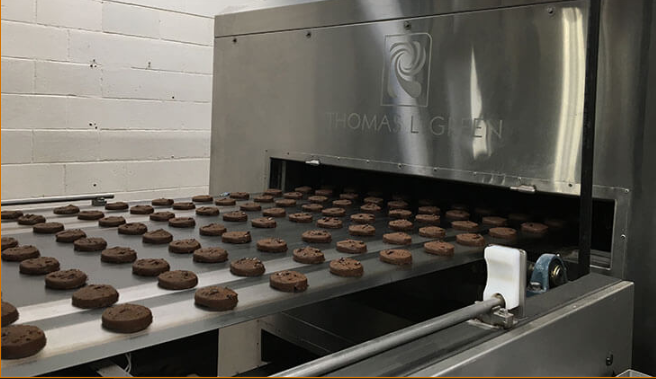
In a busy kitchen, the deck oven never sits idle. Tickets queue up, dough gets shuffled, and you’re waiting on the stone to come up to temp. Every minute of preheat is a minute stolen from service, and a cold spot across the hearth turns a promising crust into a mess—overdone edges, a center that never quite sets.
What matters under the hood
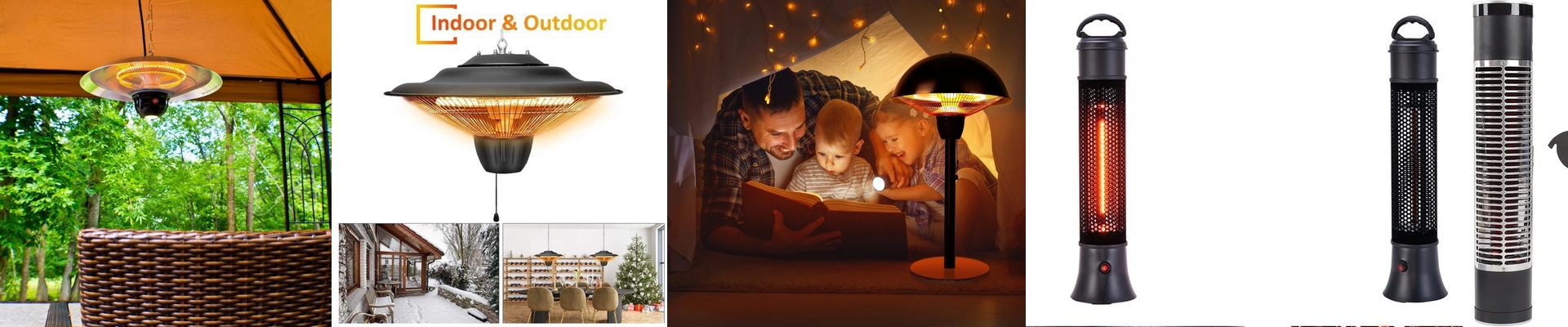
We built this 220V stainless steel ceramic heater around a dense ceramic core that dumps heat straight into the baking chamber, not the air around it. The 220V supply keeps current draw consistent, so the thermostat holds setpoint without chasing the temperature. The stainless housing keeps the core protected from grease, steam, and the daily grind of cleaning. The ceramic medium responds fast and holds steady. In real life, that means quicker recovery after the door pops open and a more repeatable heat profile across the deck.
Why this matters on the line
This heater hits the bottleneck that actually slows you down: waiting. Preheat times come down, so the first bake starts sooner and the line keeps moving. Temperature stability across the stone hearth improves, so every pizza—and every tray of bread—gets consistent bottom heat. You see more even caramelization and fewer hot-cold swings that force you to micromanage the bake. Fewer re-fires. Fewer underbakes. Just a steadier output, shift after shift.
What you need to get right
Ceramic heaters run hot at the element, so clearance to oven walls and insulation matters. Plan for proper spacing and pair it with a thermostat that can keep up with the faster response. Before you order, confirm your oven’s mounting pattern and terminal box size. Schedule the changeover during a planned service window, and verify voltage stability at the outlet. If the line voltage isn’t steady, you’ll see control drift.