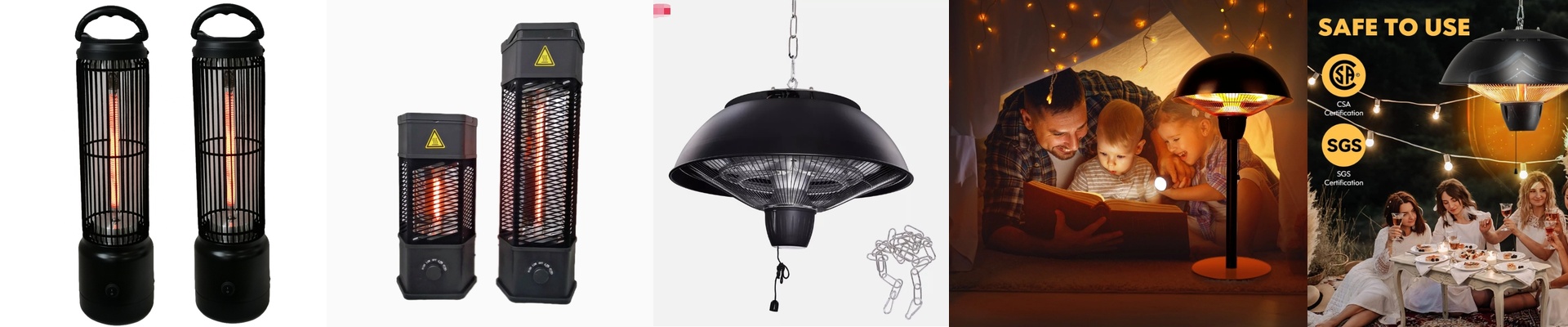
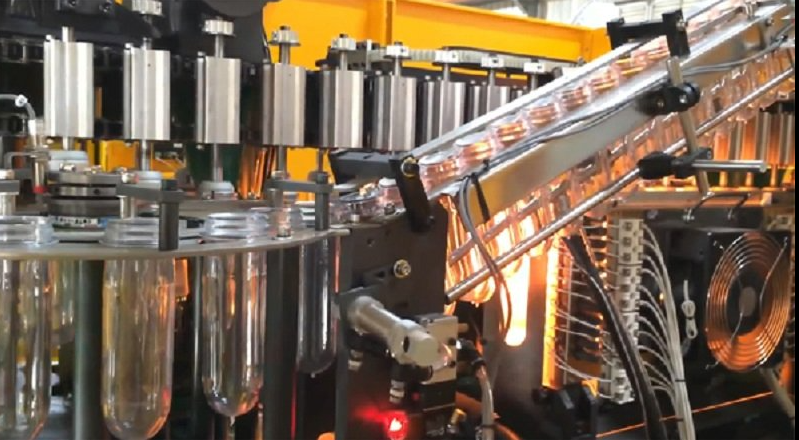
On a Husky stretch blow molder, uneven preform heating shows up fast—off-center walls, blown seams, and a line that keeps swinging between light and heavy bottles. Nine times out of ten, the root cause sits right in the hot runner: the IR heater element. When the infrared output dips or the response lags, you can tweak timers all day and still never get consistent heating.
What matters under the hood
The Husky hot runner IR heater element we run is built around a short-wave quartz halogen emitter, tuned to hit the absorption band of PET preforms. The filament geometry and reflector setup keep the thermal profile tight across the heating tunnel, so the preform neck stays cool while the body gets to the right stretch temperature. We spec the lamp to the OEM voltage and wattage, with an R7s base and standard lead length, so it drops straight into the existing socket—no rewiring. Response is quick, hitting full output in seconds, which means stable control comes back fast after a cold start or a short stop.
Why it fits a Husky
On Husky machines, the hot runner sits dead center in the preform path, and any lag in the IR element ripples through the whole cycle. This element matches the original thermal curve, so you get tighter temperature control, fewer pinholes, and less scrap from uneven stretch. That adds up to more bottles per hour, fewer changeovers, and lower energy use because the heater isn’t constantly chasing the setpoint.
The practical details
Installation is straightforward, but the lamp has to seat squarely in the holder and stay aligned with the reflector. Misalignment skews the heat pattern and can punch a hot spot into the preform. Keep the lamp and reflector clean, and verify voltage at the terminal—overvoltage shortens lamp life and drives drift. Output stays solid over 5,000+ hours, but plan on periodic checks of temperature uniformity and lamp resistance to keep the line running as designed.