Introduction
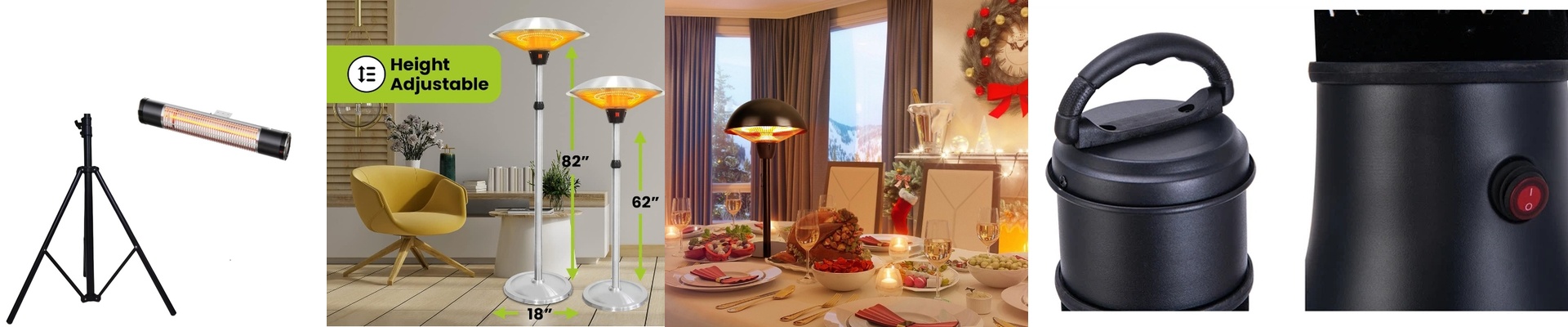
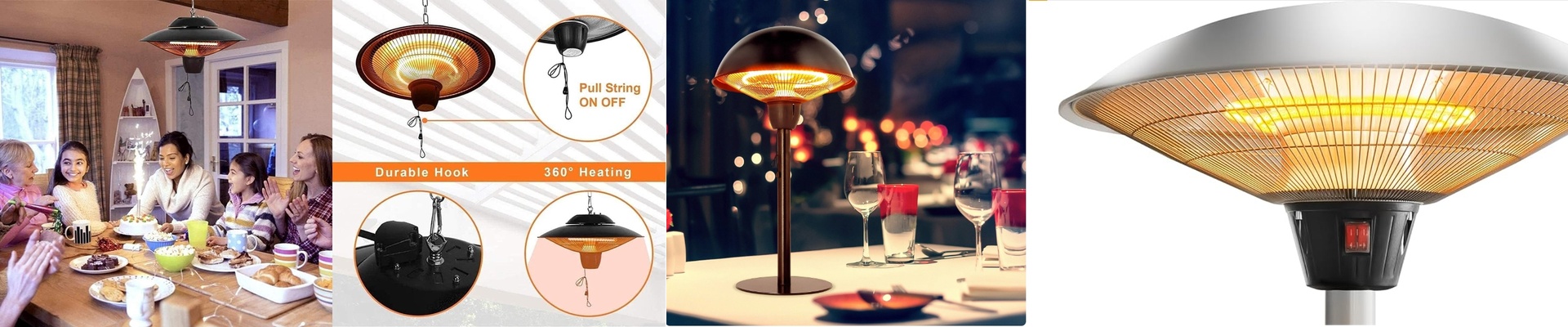
Picture this: you step out of a steamy shower or finish a chilly workout, and instead of shivering in a drafty locker room, you’re met with instant warmth. That’s exactly what we built these industrial infrared heaters for. They’re made for bathrooms and changing rooms—places that are always damp and usually short on space. The whole idea is simple: turn electricity into radiant heat that warms people and surfaces directly, not the air around them. The result? A freezing locker area that feels cozy and hotel-level comfortable in seconds.
The Tech Behind the Warmth
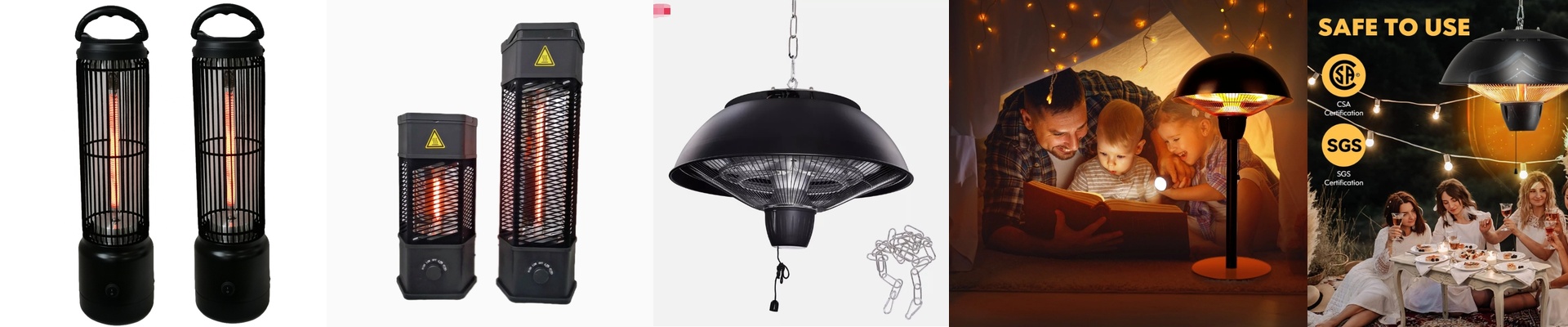
When it comes to infrared heating, it’s all about power and how it’s delivered. Our units are designed to run on standard voltages, packing a lot of wattage into a small footprint. The heating element fires up almost immediately, which is why you get that quick temperature jump in tight, enclosed spots. And the size? That’s intentional. Shorter tubes focus the heat, while longer ones spread it out over a wider area. You just pick the size that matches the space you need to cover and how far the heater will be mounted from what you want to warm.
Built to Take the Moisture
The heart of the heater is a halogen-filled quartz tube—tough enough to handle high heat and deliver steady infrared output. Then there’s the waterproof housing and sealed joints. They shield everything inside from direct water—so spray, steam, and that heavy bathroom humidity won’t cause shorts or damage. Even the R7s connector is more than just a nice touch. It’s a solid, industry-standard connection that handles high current and gives you a secure, reliable link. It makes wiring easier, cuts down on resistance, and turns lamp replacement during maintenance into a simple swap.
Why It Works So Well in Bathrooms and Locker Rooms
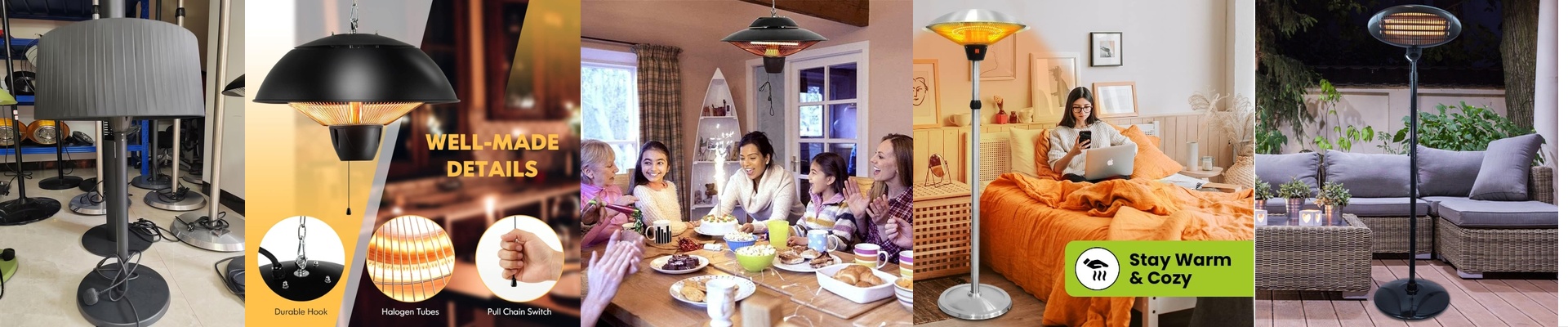
Here’s the real win: speed and reliability. The heater sends warmth straight onto skin and clothes, so you feel it right away. No waiting around for the air to heat up and start circulating. And because it warms directly, you get fewer drafts—which matters a lot in wet areas where moving air just makes you feel colder. Now, there’s a trade-off. All that focused heat means you need to plan mounting distances and manage ventilation. Set up the layout so the heat spreads evenly, and make sure the materials nearby can handle the warmth where it lands.