Getting That Perfect Crust: Why Twin Quartz IR Actually Works
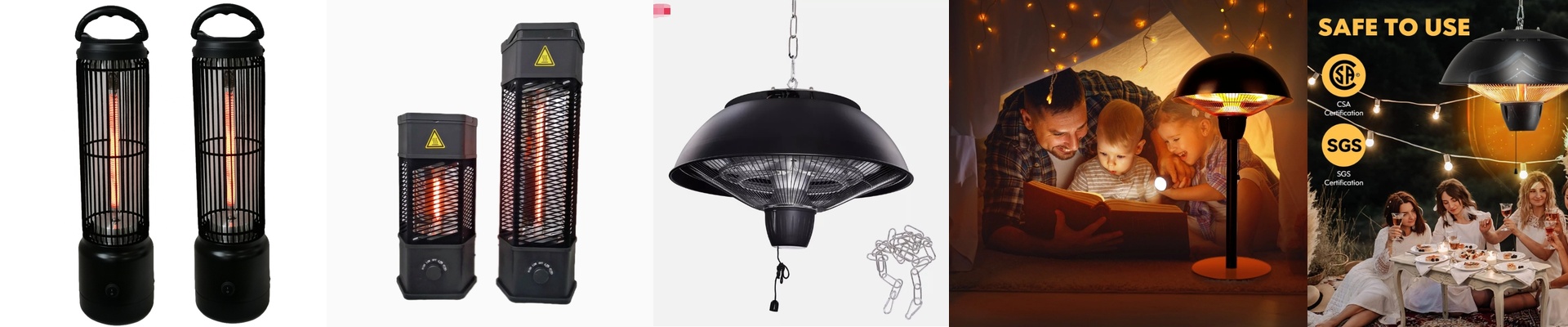
Ever wonder why some loaves have that deep, golden-brown glow while others just look… beige? It comes down to how you hit the dough with heat. Standard convection or conduction just can’t quite nail that specific “sear” on the surface. That’s where twin quartz infrared (IR) heaters come in. They don’t mess around; they blast high-density energy straight into the crust the moment you need it. The magic of speed Most heating elements are just too bulky. They take forever to warm up and even longer to cool down. In a busy kitchen, you don’t have minutes to wait. You need things to happen in seconds. Twin quartz lamps are different. They hit full power almost instantly. This means you can trigger a quick “burst” of intense heat right at the end of the bake. You get that beautiful, dark color on the outside without drying out the inside of the bread. More heat, less guesswork We use twin filaments because, frankly, one just isn’t enough. By doubling up, we get way more radiant power in the same amount of space. The result? No more “cold spots” in your oven. Your bread browns evenly across the whole deck, so you aren’t rotating trays like a madman trying to find the hot spot. The nitty-gritty (and how not to break your oven) The quartz glass is there to keep the tungsten filament from burning out while letting the heat pass through. We use heavy-duty R7s connectors because these things pull a lot of power, and the last thing you want is a melted terminal. But a word of warning: this much power puts a real strain on your wiring. If you’re upgrading to higher wattage tubes, please double-check your wire gauges and contactors. And here is a pro tip:**keep your reflectors clean.**Flour dust and grease build up quickly, and that gunk traps heat back into the lamp. If you let the reflectors get dirty, your expensive quartz tubes will burn out way faster than they should. Give them a wipe, and they’ll last much longer.