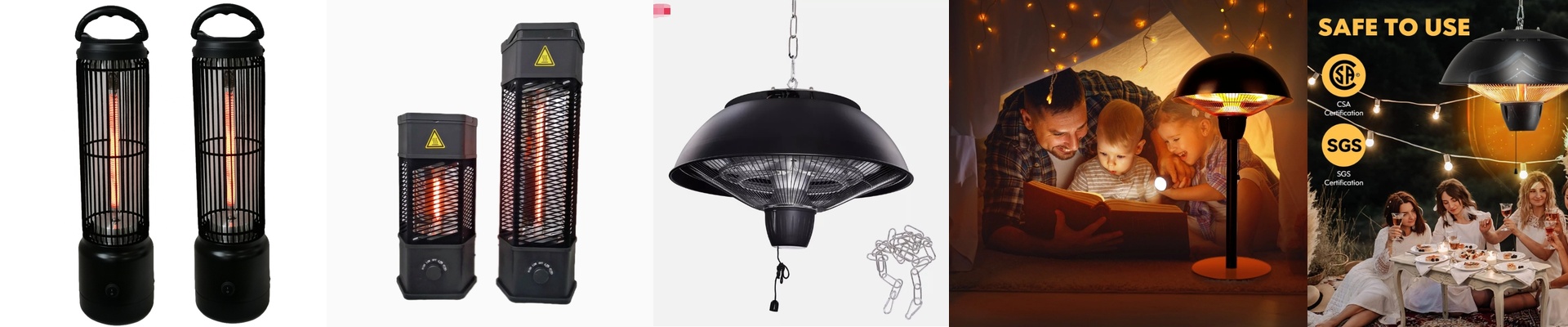
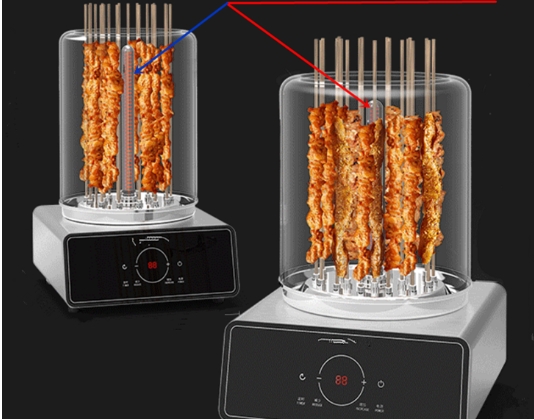
In a busy commercial kitchen, timing is everything. If your convection oven is slow to hit setpoint, or you’re fighting hot and cold spots, you lose control of crust, color, and consistency. That’s where a dedicated quartz tube infrared heating element earns its keep—delivering immediate response and even radiation straight into the baking chamber.
What matters, technically
Quartz tube infrared heat comes on instantly, hitting operating temperature in seconds. The short-wave radiation penetrates food surfaces quickly, so you get even browning and consistent caramelization without drying out the edges. The payoff is predictable bake profiles, whether you’re running a convection cycle or switching to infrared for the finish. Precision comes from tight thermal coupling between the element and the oven’s thermostat, so setpoints hold steady—even when you’re opening the door and cycling batches.
Why it works in real production
In convection ovens running high-volume roasting, pastries, and sheet-pan proteins, quartz tube infrared cuts preheat time and tightens bake windows. Recovery after each load is faster, doneness is more uniform across pans, and the workflow stays cleaner because the oven isn’t waiting to catch up. Energy use per bake cycle drops because the element heats only when needed, and the stable radiation pattern reduces hot-banding that can wreck product appearance.
The details you need to get right
Installation is straightforward, but the quartz tube has to be matched to your oven’s voltage, watt density, and mounting clearances. Double-check the connector type and terminal block rating—mismatched wiring will bite you. Expect best performance in dry environments. High humidity and aggressive cleaning sprays will shorten tube life. Make sure airflow around the element is adequate, and keep a routine inspection for insulation and shields so heat stays where it belongs—inside the baking chamber.