
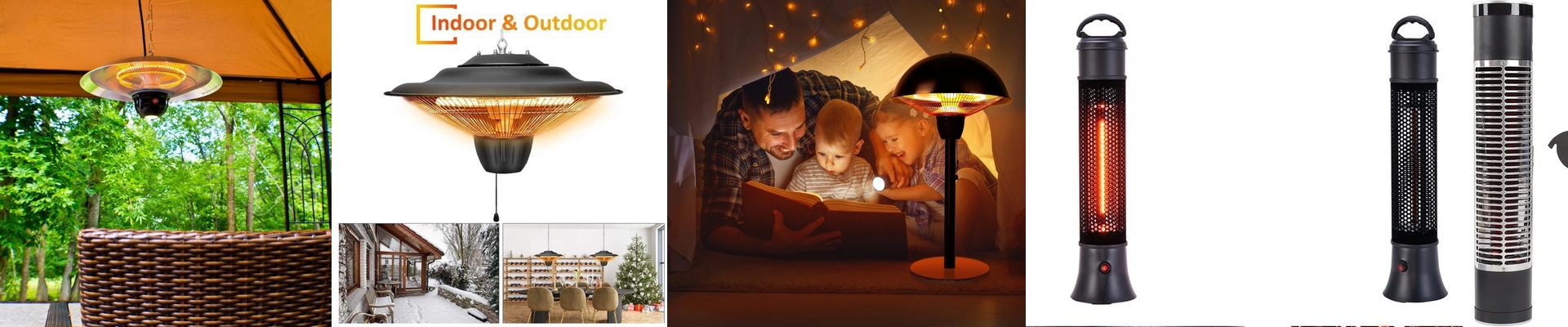
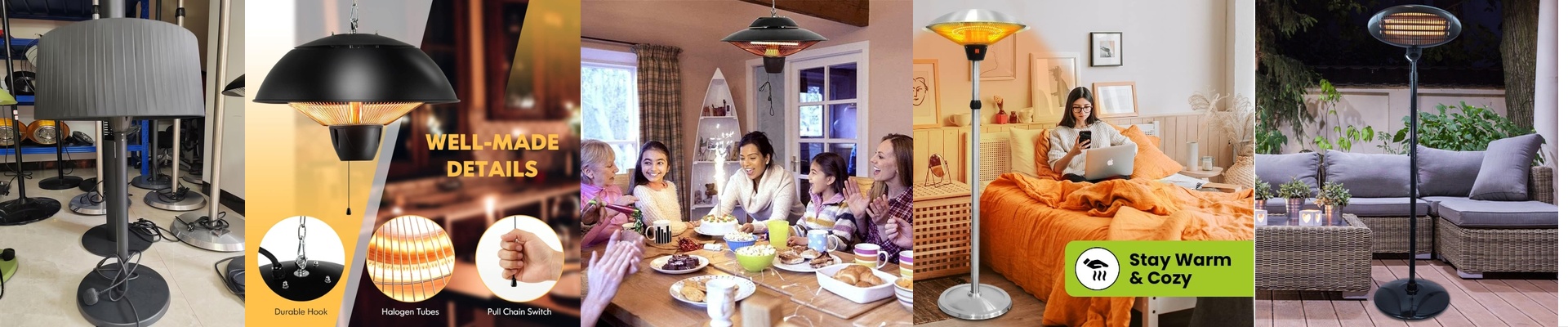

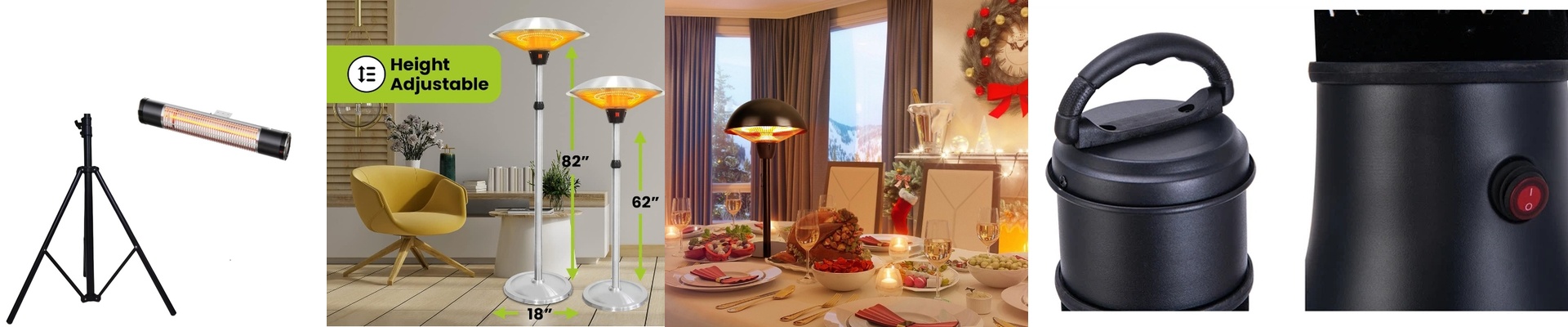
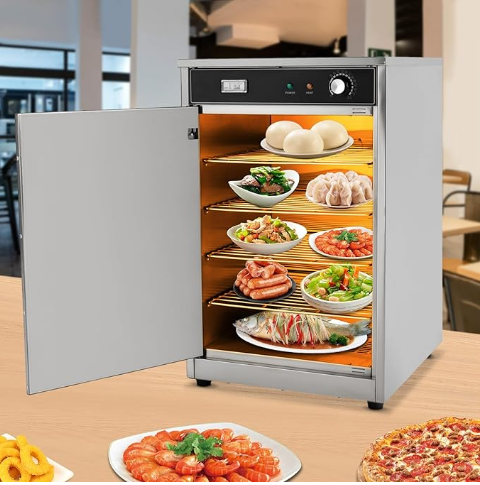
When the morning rush hits, your deck oven can’t be chasing temperature. If heat is getting hung up in the element instead of landing in the baking chamber, you’re slowing production. And uneven stone hearth temps will punish even your best dough. We built our nichrome ceramic heaters to put control back where it belongs: in your hands, on the line. What matters, technically The core is a nichrome alloy conductor set into a high-purity ceramic body. We chose it for stable resistance at operating temperature and fast thermal response. The ceramic keeps hot spots from blooming, so the element stays cooler at the core while surface temperature holds steady through the whole bake cycle. In practice, that means tighter thermostat cycling, less temperature drift, and consistent radiant output to the deck or chamber. You get a fast warm-up, predictable recovery after door openings, and a heating profile that respects proofing, crust setting, and caramelization in the right order. Why this works in a bakery oven In a bakery deck oven, heat has to be responsive and even. These heaters turn every deck into a dependable heat bank. You see uniform crust color across the full load, fewer throwaways from underbaked edges, and consistent bake times shift after shift. That stable temperature curve also cuts energy waste—shorter preheat, fewer long-burn compensations, and lower peak demand. Add in long service life and fewer replacement stops, and your workflow stays steady when the line is moving. What you need to know on install Install with proper clearance and mount securely so you don’t put mechanical stress on the ceramic body. Match voltage and watt density to the oven’s design; push elements hotter than rated and you’re asking for premature cracking. In humid bake environments, keep terminals dry and protected to prevent tracking. Budget a few extra minutes for calibration after install, then set your thermostat and get baking.