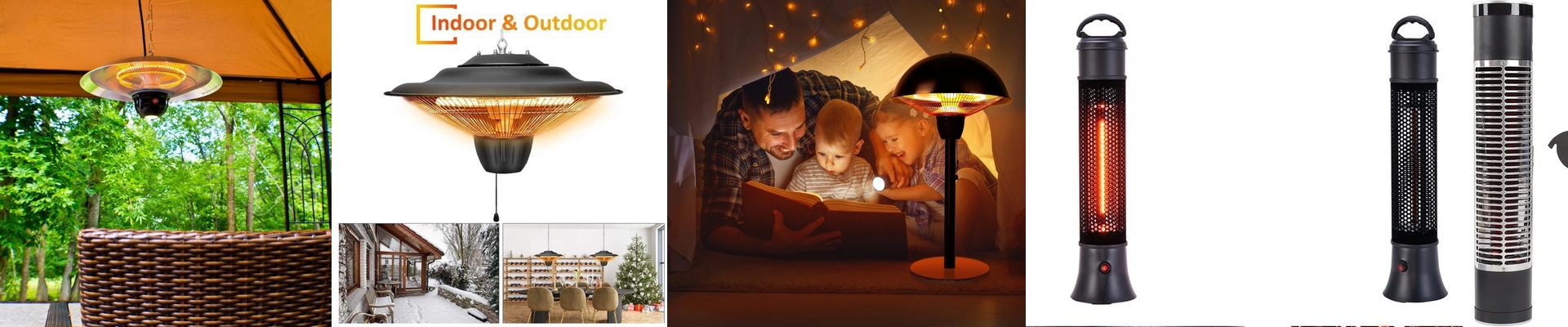
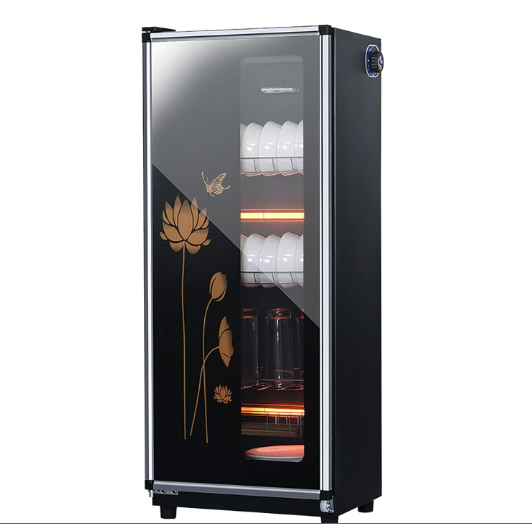
Stop Waiting on Your Oven: The Magic of Quartz IR
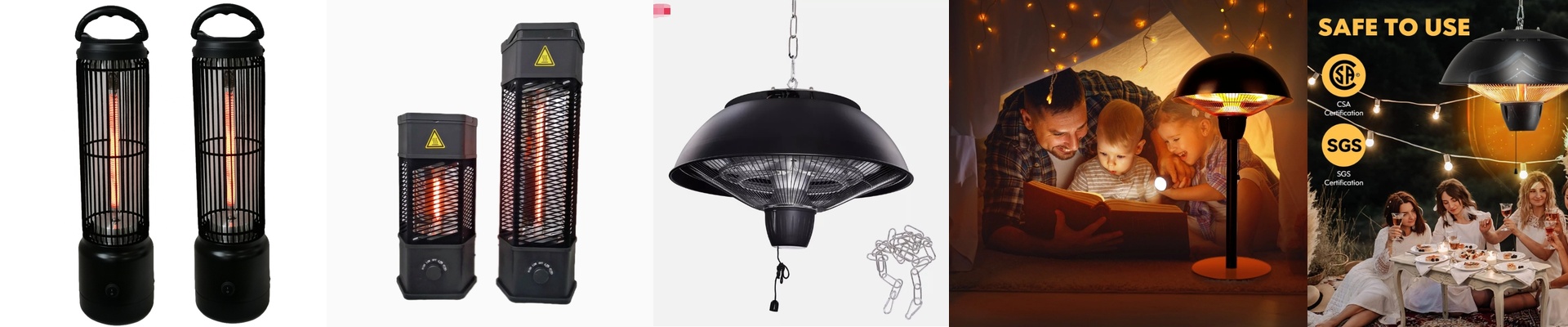
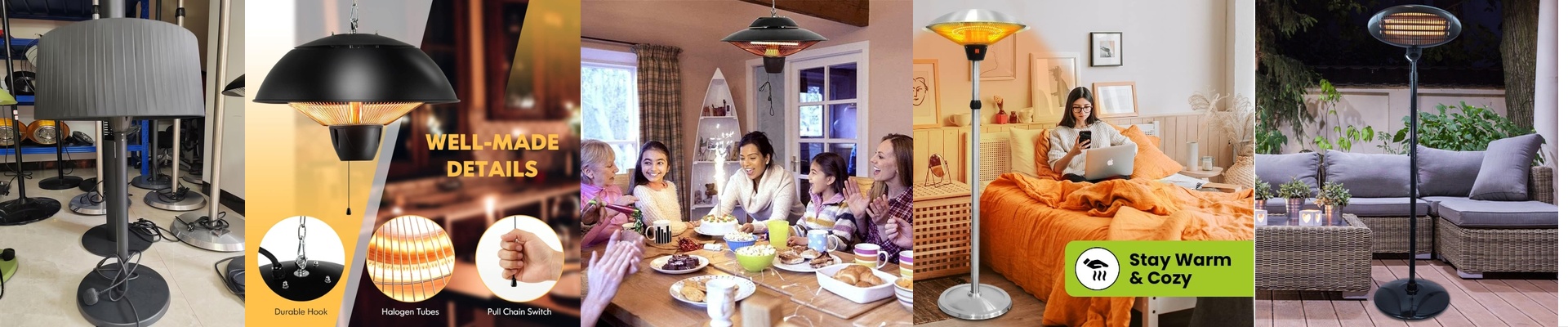
If you’ve ever used a standard convection oven, you know the drill. You turn it on, you wait for the air to heat up, and you wait some more. It’s slow. Air just isn’t that efficient at moving heat. That’s why we started putting quartz infrared (IR) tubes inside our stainless steel housings. Instead of waiting for the air to get hot, we use radiant energy to hit the surface of your product instantly. It’s the difference between warming up a room with a space heater and feeling the sun hit your skin on a summer day. One takes forever; the other is immediate.
How the Quartz Tubes Actually Work
We use high-purity quartz glass to wrap the heating filament. The cool thing about quartz is that it doesn’t really “catch” the shortwave IR radiation—it just lets it pass right through. This means the heat goes straight into your food or material. It doesn’t stop to warm up the air first. When you combine these tubes with a stainless steel convection setup, you get the best of both worlds. The fans keep things uniform, but the IR gives you that immediate punch of heat. It cuts the dead time between batches way down.
A Few Warnings on the Hardware
We stick with stainless steel for the chassis. It’s tough, it doesn’t react with food acids, and it can handle the way quartz tubes expand when they get screaming hot. But here is where you have to be careful:the wiring. These tubes pull a massive amount of current. If you’re running 2000W or more per tube, don’t cut corners. Make sure your contactors and wiring gauges can actually handle the load. If you don’t, you’re going to end up with burnt-out terminals, and that’s a headache nobody wants.
The Trade-offs (Because nothing is perfect)
IR is fast, but it’s directional. It hits what it sees. If you stack your product too high, the top layer is going to sear while the bottom layer is still cold. It’s a balancing act. You have to tune the IR intensity against your fan speed. If you go too heavy on the IR without enough airflow, you’ll just scorch the surface. To get it right, we usually suggest using adjustable shielding or pulsed power controllers. It lets you dial in the heat flux to match the exact rhythm of your production line.