Fixing those annoying heat spots in your KHS blowing lines
Ever pull a bottle off the line and see that cloudy, pearlescent look? Or maybe the walls are way too thin in some spots? Most engineers immediately start messing with the machine settings. I get it—that’s the first instinct. But usually, the settings aren’t the problem. The real culprit is almost always the IR lamps wearing out. When those lamps degrade, your thermal field shifts, and your preforms just don’t soften the way they should.
The nitty-gritty on heat density
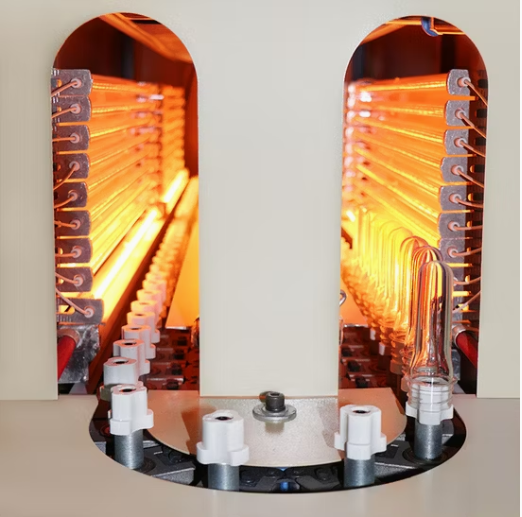
We built these replacement lamps to fit the KHS footprint exactly. But it’s not just about making them fit. It’s about the energy density per millimeter. Think of it like this: if the wattage is too low, you’ll never actually hit the temperature needed to make the PET pliable. But if you go too high? You’re just scorching your plastic. We use shortwave infrared radiation because it punches through the plastic fast. And since these things cycle on and off rapidly, we use high-purity quartz glass. It handles the thermal shock without cracking.
No headaches during install
Nobody wants to spend their weekend rewiring a machine. That’s why these use standard R7s or SK15 connectors. You just pop them in. Done. We also added a special coating to the quartz. It helps focus the heat exactly where it needs to go. Instead of wasting energy heating up the oven walls, the heat actually hits the preform.
What to expect on the floor
Once you swap out those old OEM lamps for these, those “cold spots” usually vanish. You get a much more consistent heat distribution across the whole body of the preform. One quick heads-up, though. If you’re using higher-output lamps to push your cycle speeds, your ventilation has to keep up. Make sure your cooling fans are clean and humming along. If the oven gets too hot inside, it’ll eat through the life of your lamps. Also, a pro tip: keep your contacts clean when you’re installing them. It prevents that annoying arcing at the base.