How to actually get even heat in a rotary tableware dryer
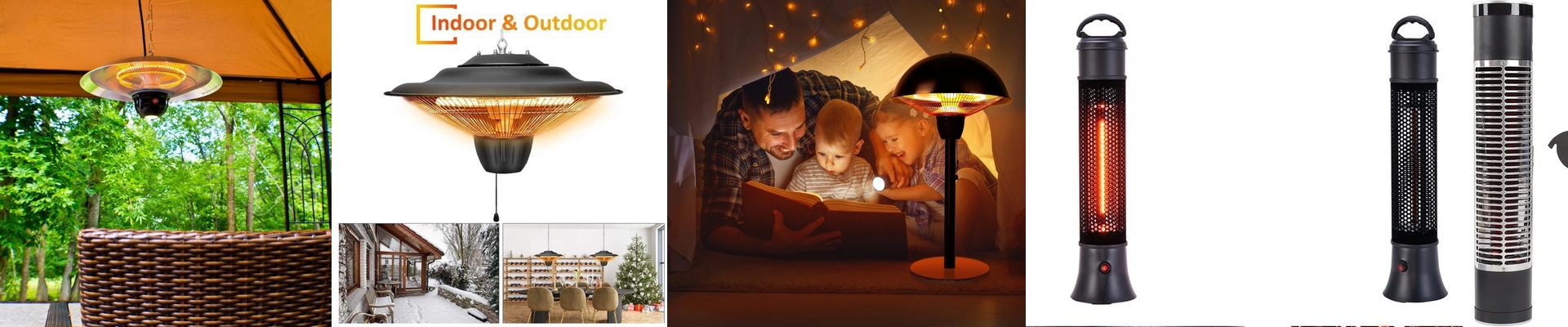
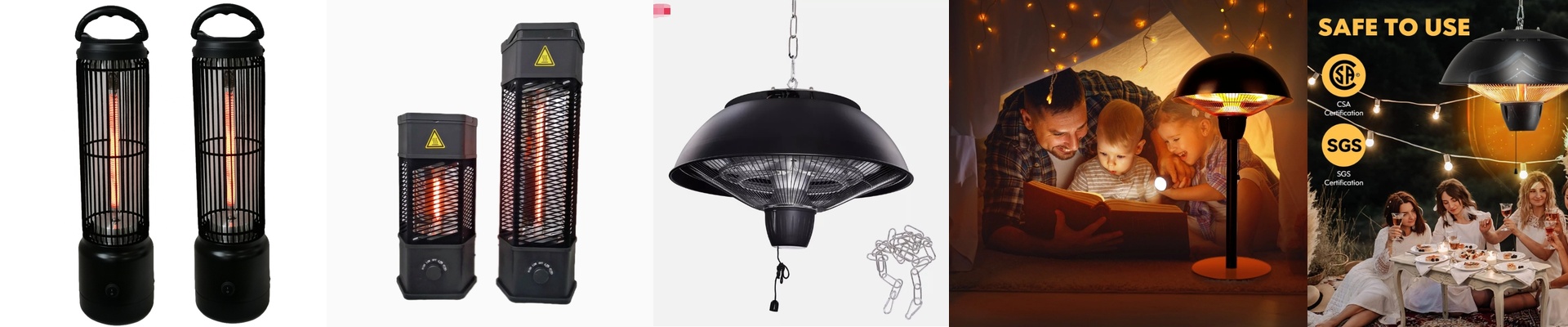
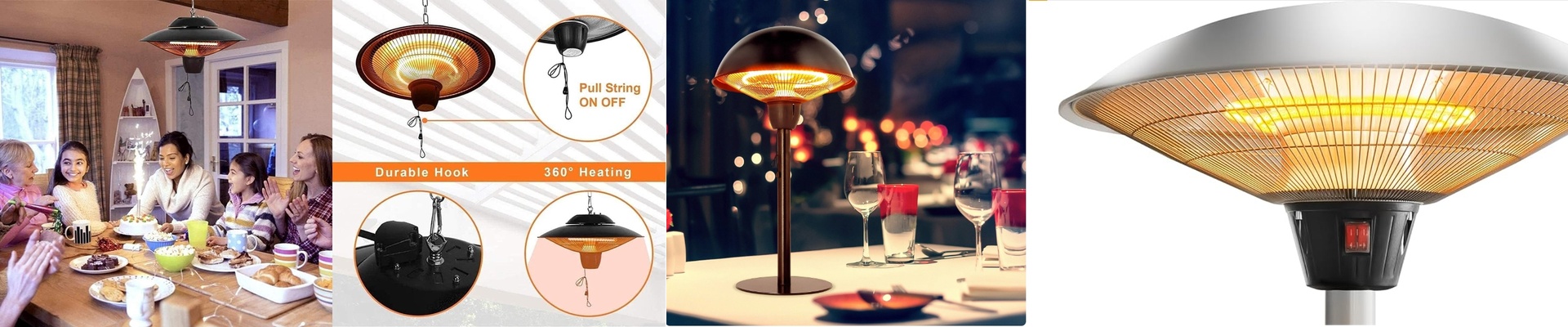
If you’ve ever dealt with a rotary oven, you know the struggle. You don’t just need raw power; you need that heat to hit every single angle. If you’re drying or baking tableware, the goal is a total 360-degree soak. No cold spots. No excuses. To make that happen, we use quartz infrared tubes. But it’s not just about throwing them in there—it’s all about where they sit. The secret is in the layout. We arrange these tubes in a specific pattern around the axis of rotation. We go with quartz because it lets short-wave infrared radiation fly right through. Instead of wasting time heating up the air inside the oven, the heat slams directly into the ceramic or glass. It’s fast. Really fast. As the rack spins, the dishes move through these overlapping fields of radiation. It’s like a warm blanket that follows the product around, so no side of the dish gets left out in the cold. But here’s the tricky part. You might be tempted to just crank up the voltage to get things done quicker. Don’t do that. High-wattage tubes create intense, pinpoint heat. If your rotation is too slow, you’ll end up with “hot stripes” scorched right into your product. It’s a balancing act. You have to tune your motor’s RPM to match the wattage of the tubes. When you hit that sweet spot, the surface temperature stays perfectly consistent. A quick word on the gear. Quartz is great because it doesn’t freak out when temperatures jump up and down. Standard glass would warp or crack under that kind of stress, but quartz handles the cycle without breaking a sweat. Just keep an eye on cleanliness. Quartz is a bit picky. If grease or food bits splash onto a tube, they burn in. That creates a hotspot, and eventually, the tube will snap. To avoid a meltdown, we usually suggest shielding the installation or just being religious about cleaning. And one last pro tip: use high-temp leads for the wiring. Standard PVC will melt into a puddle the moment the oven gets up to speed.