Stop Guessing with Your SIPA Oven Heat
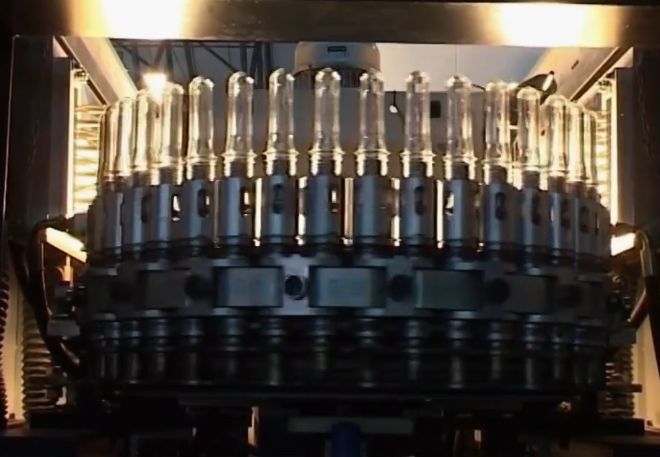
If you’ve ever dealt with heat variance in a SIPA rotary machine, you know the headache. You’re running your line, and suddenly you start seeing wall thickness issues or bottles failing. It’s frustrating. Most of the time, the culprit is a power mismatch. Here’s the thing: if your IR lamps aren’t perfectly synced with the machine’s electrical output, you get uneven heating. It happens when people mix and match lamps with different wattages or voltages. It might seem like a small detail, but it ruins the preform. We fix this by making shortwave IR lamps that are 100% power-matched to the SIPA footprint. No guessing. No “close enough.” Why the numbers actually matter You might think a difference of 50 watts is nothing. But in the world of thermal profiles, it’s everything. If your machine is wired for a specific load and you drop in a replacement with the wrong resistance, things go sideways. Some lamps will burn out way too fast, while others just don’t pull their weight. We make sure the electrical load is balanced across the entire oven bank so everything runs smooth. Built for the heat We use high-purity quartz glass because these lamps take a beating. The rapid cycling creates intense thermal shock, and cheap glass just can’t handle it. We also stick to standard R7s or SK15 connectors. Why? Because nobody wants to struggle with wiring or worry about a loose contact causing a flicker. Plus, the halogen cycle keeps the filament strong. You won’t see that annoying “dimming” effect you get with the budget brands. A quick reality check from the shop floor High-density IR lamps put out a massive amount of heat, fast. That’s what you need for high-speed PET production, but it puts a lot of pressure on your cooling blowers. If your cooling system is clogged or just can’t keep up, the oven gets too hot. That’s when your reflectors start to warp and your lamp life plummets. Keep your airflow clear. It’s the easiest way to make sure your tubes actually last. When the power matches 1:1, the stress disappears. You get a consistent heat soak across every single cavity, and you can finally stop worrying about the oven.