Stop Guessing With Your Oven Temps
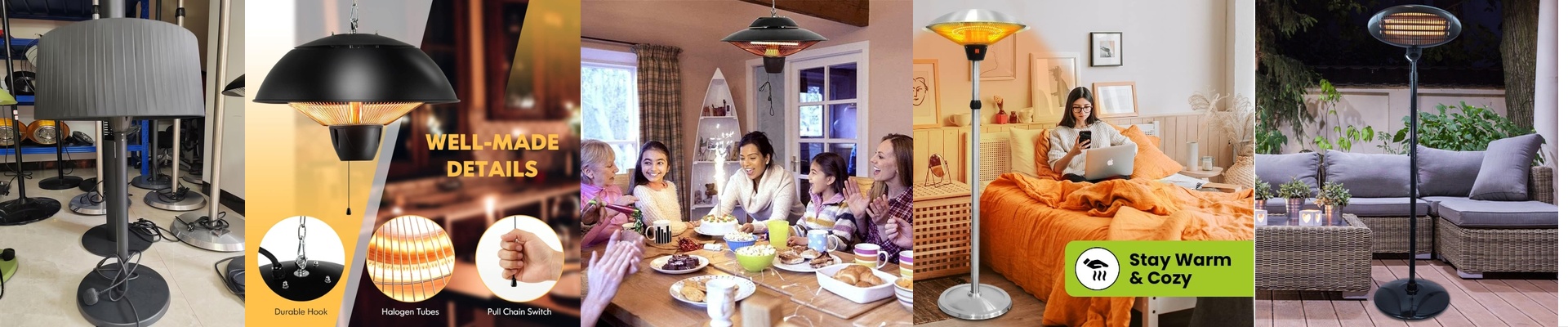
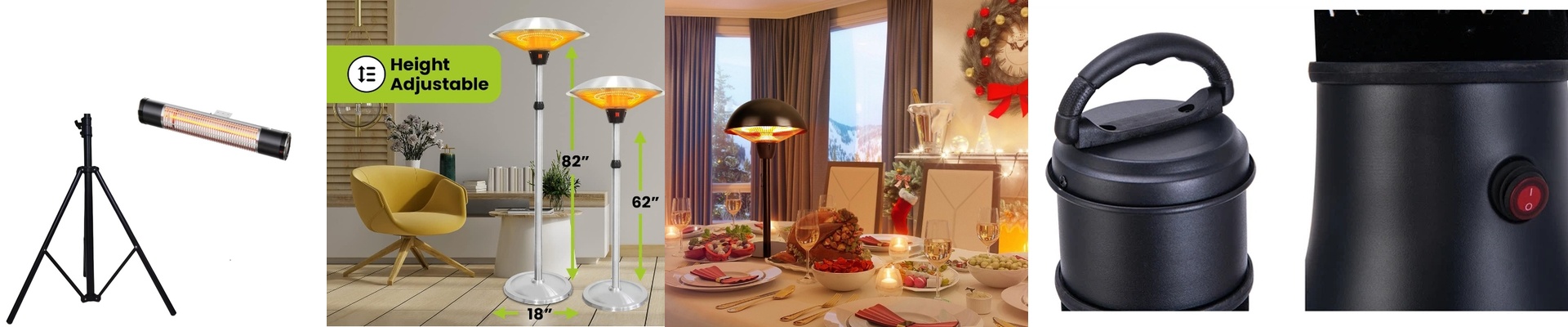
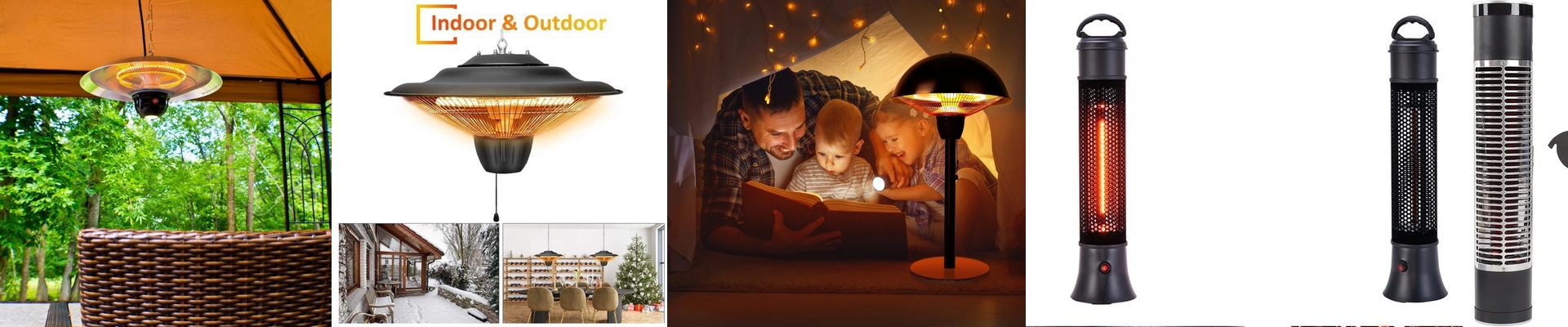
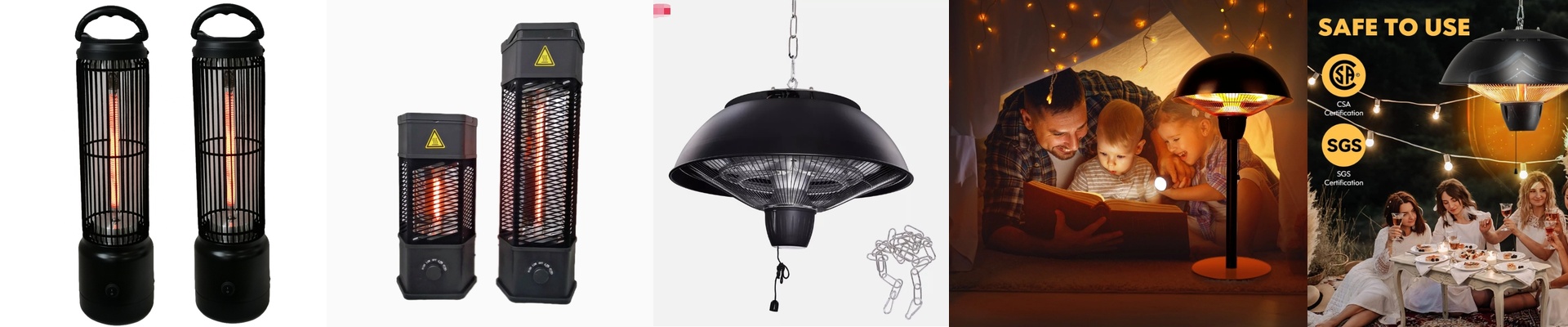
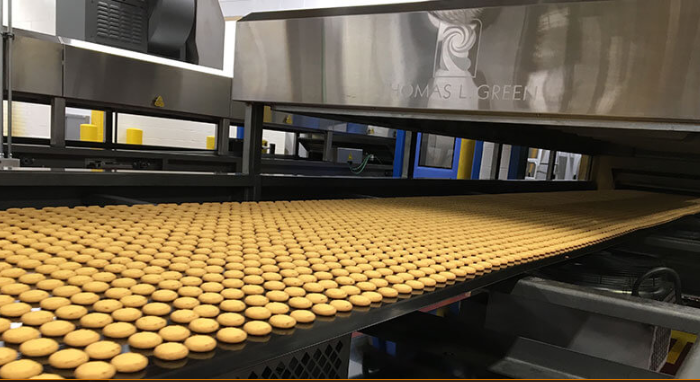
Ever pulled a tray out of the oven only to find one side is perfectly golden and the other is basically charcoal? It’s frustrating. Most of the time, it happens because ovens just can’t keep a steady heat across the whole surface. Between those annoying “hotspots” and the way the temperature crashes the second you open the door, your pastries end up fighting a losing battle. That’s why we use Twin Quartz Infrared (IR) heaters. Here is the secret: most ovens just heat up the air. But shortwave IR radiation is different. It doesn’t mess around with the air; it goes straight into the dough. We use a dual-filament design wrapped in high-purity quartz. Basically, we’ve packed double the heat into the same amount of space. It’s fast. Really fast. You hit your target temperature almost instantly. When we’re actually building these systems, we obsess over response time. A standard heating coil is slow—it takes minutes to settle down. A Twin Quartz lamp? It hits peak power in seconds. This makes the PID controller’s job way easier. If the sensor picks up a tiny 2-degree dip, the lamps kick back in immediately. There’s no “thermal lag” to ruin your delicate macarons or flaky croissants. It just stays hot. Now, there are a few things to keep in mind before you jump in. These heaters pull a lot of power. You’ve got to make sure your wiring and contactors can handle the peak current, or you’re looking at a burnout. And a pro tip:**don’t touch the quartz tubes with your bare hands.**The oils from your skin leave spots on the glass, and when things get hot, those spots create stress points that can make the glass crack. If you’re tired of the “hope for the best” method of baking, this is the way to go. You stop relying on moving air and start actually controlling the bake. You get the same crust and the same crumb every single time, no matter who’s running the oven.