Stop Fighting Your KHS Oven Settings
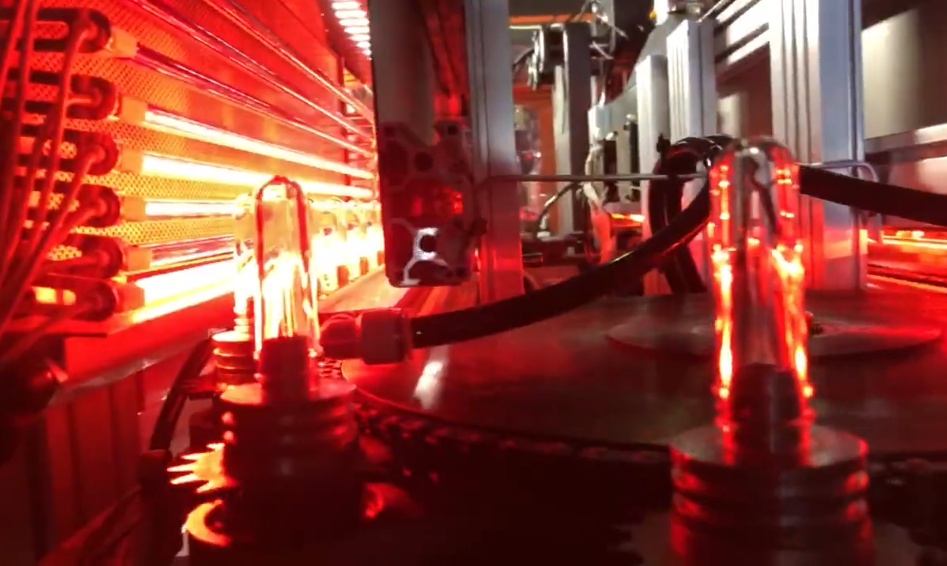
If you’ve spent any time on a KHS blow molding line, you know the frustration of uneven wall thickness. You see those weak spots in the PET bottles and your first instinct is to dive into the oven settings, tweaking numbers for hours. But here’s the thing: the settings usually aren’t the problem. The real culprit is often the IR lamps. Cheap tubes are notorious for “cold spots.” They might look fine, but the power density is all over the place. You end up with heat bunching up in the middle while the ends stay cool. That’s why your preforms aren’t hitting that glass transition temperature evenly. We decided to fix that. Our lamps are built to keep the heat steady from top to bottom. No gaps, no surprises. Just a consistent flow of energy. The Nitty-Gritty These are drop-in replacements, so you don’t have to rebuild your machine to use them. We use high-purity fused quartz because, let’s be honest, high-intensity operation kills cheap glass. We also spec the filaments based on your specific voltage so they don’t sag over time. And we focused on the parts that actually break. Most failures happen at the connectors. They arc or shake loose because high-speed lines vibrate like crazy. We switched to reinforced terminals to stop that from happening. One quick tip: if you’re pushing high wattage, double-check your cooling blowers. When you’ve got that much heat density in a tube, the oven housing gets hot. If you aren’t venting it right, you’re just cooking your own wiring. What This Actually Means for You The best part? You can stop obsessing over the oven tuning. When you slide these in and power them up, you’ll see a steady, solid glow across the whole lamp. No dark patches. No guesswork. It makes your startup times way faster and your reject rate drop. It’s not about throwing raw power at the plastic; it’s about making that power predictable.