Getting Your Heat Right in Sidel Matrix Ovens
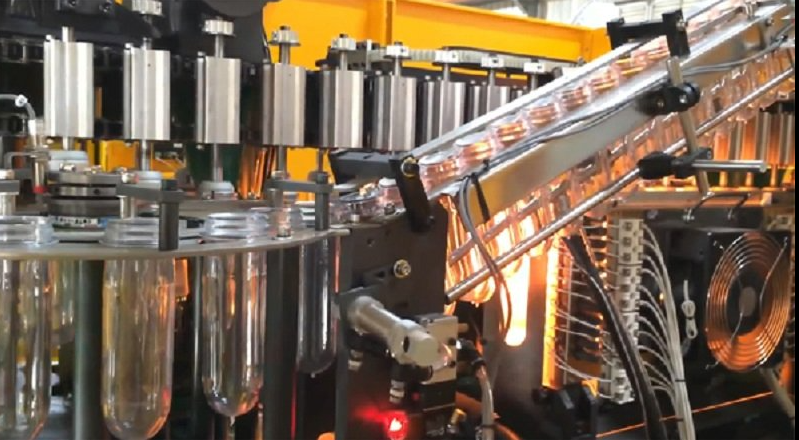
Here is the problem when you swap out OEM lamps in a Sidel Matrix oven: the temperature ramp-up loves to shift. If your new lamp doesn’t hit the exact wattage-per-millimeter as the original, you’re in trouble. Your PET preforms will either come out under-heated or, even worse, scorched. It’s a headache you don’t need. That’s why we build our infrared lamps to be a dead ringer for the originals.
Why “Close Enough” Isn’t Good Enough
Most people just look at voltage and wattage. But that’s a mistake. What actually matters is the heat density across the whole tube. You could have two lamps with the same total wattage, but if the filament winding is different, you’ll get hot spots. We mirror the original Sidel filament geometry. Why? Because it keeps the heat flux steady. You get a temperature curve that feels exactly like the factory baseline. No guessing. No tweaking for hours.
The Nitty Gritty: Glass and Fit
We use high-purity quartz and a halogen cycle. It keeps the filament from burning out too soon, which means fewer midnight maintenance calls for you. The connectors are simple drop-in replacements—usually R7s or Sk15. You just wire them up. No hacking away at the oven housing or forcing things to fit. Plus, we use specific coatings to tune how the heat hits. Some lamps need to be “shortwave” to punch through the PET wall fast. Others need a coating that bounces the heat back toward the preform and keeps it away from your machine frame.
A Word of Caution
High-density lamps put out a massive amount of heat. That’s great for production, but it puts a real load on your power supply. And here is a tip: check your cooling fans. If they’re clogged with dust or starting to fail, these lamps will bake your reflectors. Keep the airflow clear, and your lamps will actually last as long as they’re supposed to. Our lamps fit the Sidel footprint perfectly. Swap them in, set your timers, and get back to work knowing your thermal profile isn’t going anywhere.