
Why Your Bathroom Heater Needs an IPX5 Rating
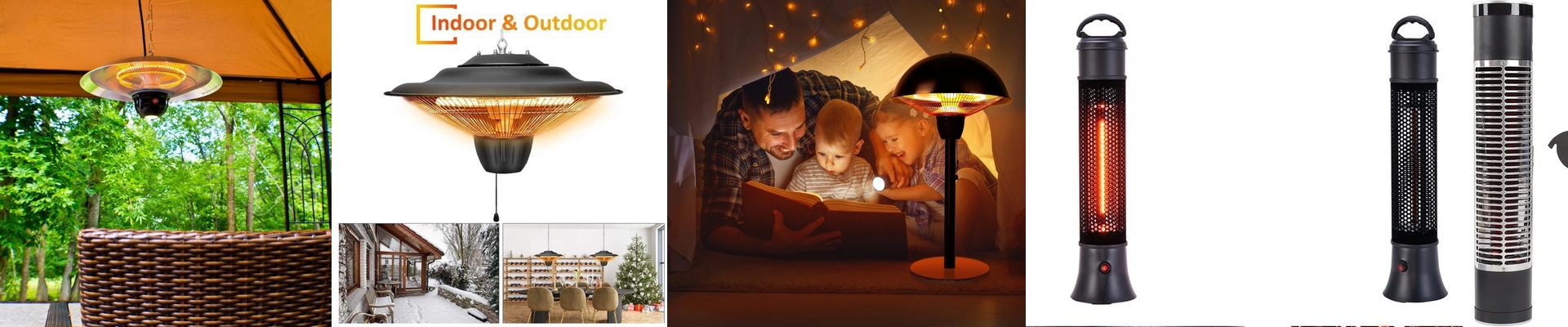
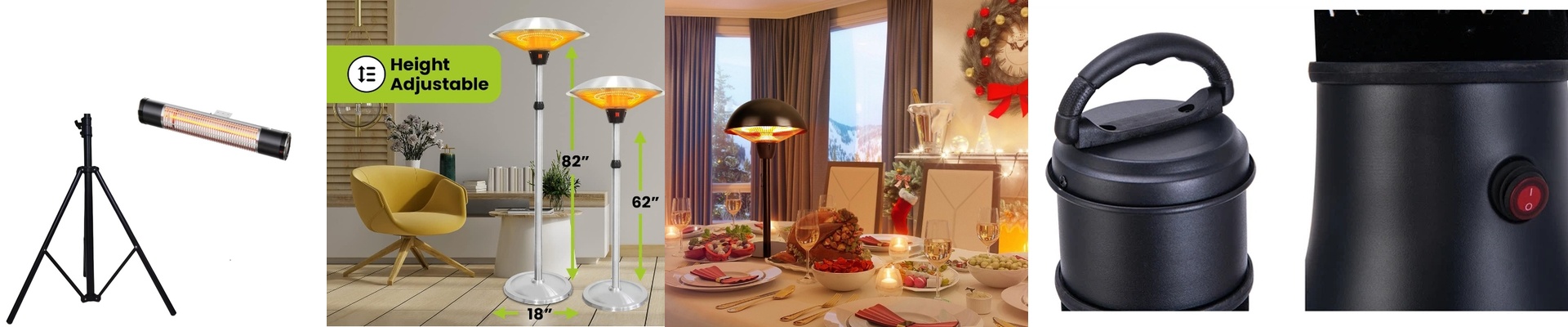
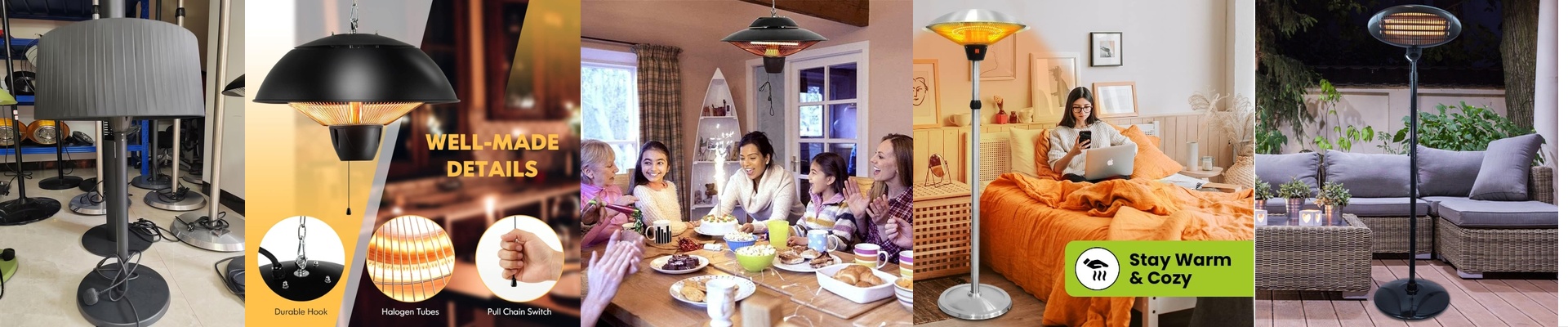
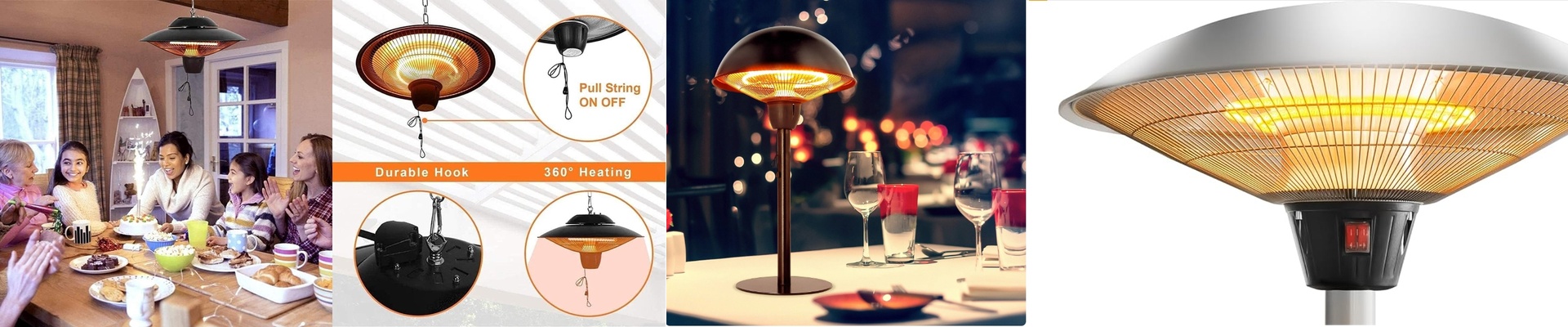
Let’s be honest about those old-school bathroom heat lamps. Most of them are basically just lightbulbs in a box with very little protection. They aren’t built for the reality of a steamy shower, and that’s why so many of them flicker out or just stop working after a year or two. That’s why we’ve moved toward IPX5-rated infrared heaters. **Here is the deal with IPX5.**In plain English, it means the unit is sealed tight enough to handle water jets hitting it from any angle. When you’re in a modern shower zone, you’ve got spray and heavy humidity everywhere. Without that seal, moisture creeps into the housing and settles right on the terminals. That’s usually where the magic happens—and by magic, I mean a short circuit. But the real win here is the heat itself. Traditional lamps try to warm up the air in the room. It takes forever. With infrared, it’s different. It sends out waves that warm you and the surfaces around you directly. It’s fast. Really fast. The second you flip the switch, you feel it. No more shivering while you wait for the room to catch up. We use short-wave emitters because they pack a ton of heat into a tiny space. A quick heads-up on installation, though. You can usually drop these right into your existing ceiling grid to replace an old fixture, which is great. But keep in mind that these things get hot. You need to make sure you have enough clearance. If you mount them too close to cheap PVC panels or anything flammable, you’re going to end up with a warped ceiling. Also, make sure your wiring can handle the initial surge of power when you first click that switch. At the end of the day, it’s about that feeling of stepping out of a hot shower and not hitting a wall of freezing air. By locking the electronics down to IPX5 standards, we just take the worry out of mixing high-voltage heat with a splashing shower.