

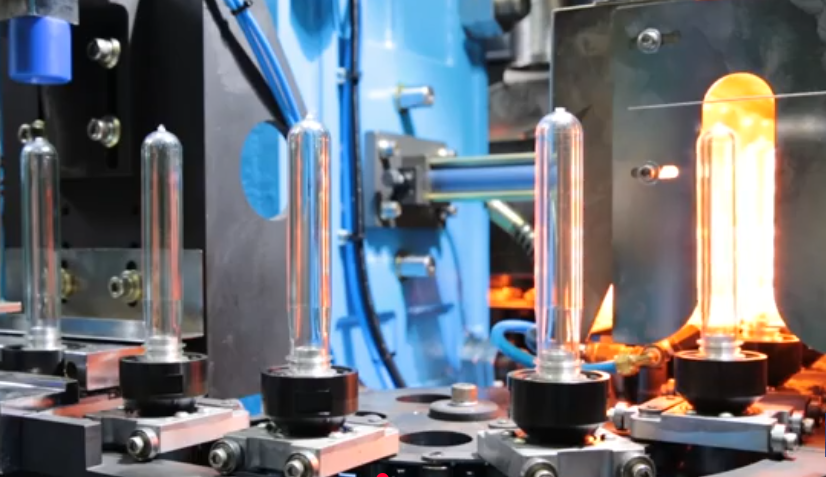
On the blow molding floor, preform heating isn’t something you chase after the run starts. When line voltage sags or surges, infrared heat drifts with it—and you see that as thickness swings, crystallization, and scrap. Put a dedicated voltage regulator on the PET heaters, and you lock the emitter power steady, so the heating tunnel delivers the same energy density cycle after cycle. What matters, technically We size the regulator to the real load profile of PET infrared heaters—typically halogen/quartz short-wave emitters, about 1000–3000 W per zone. It holds output within ±1% of setpoint, even when the supply voltage is all over the place, and it delivers clean power with low distortion so temperature control stays responsive. The unit is specified for the connector types you see on blow molders, including R7s-based lamp blocks, with voltage options that match regional power systems. In practice, the lamps hit set temperature faster, sit on it consistently, and recover quickly after a bottle change or a short stop. Why it works in real production When the voltage is stable, preform heating repeats. Fewer overheated zones, fewer hot spots, and a tighter temperature band across the preform wall. That means less scrap from poor stretch, better bottle weight control, and output you can count on. Energy use comes down because the heaters aren’t constantly chasing voltage surges, and lamp life improves by limiting thermal shock from those swings. Fewer surprise stops, less scrap, and the line runs closer to rated capacity. What to keep in mind Installation is straightforward, but you have to match the regulator to the heater wattage and the machine’s control wiring. Double-check the connector style, mounting clearance, and the unit’s operating temperature rating—those heating tunnels run hot, and airflow around the regulator matters. Plan on routine checks: terminal tightness and clean heatsinks. If you’re running a mix of emitter technologies, confirm compatibility before you finalize the spec.