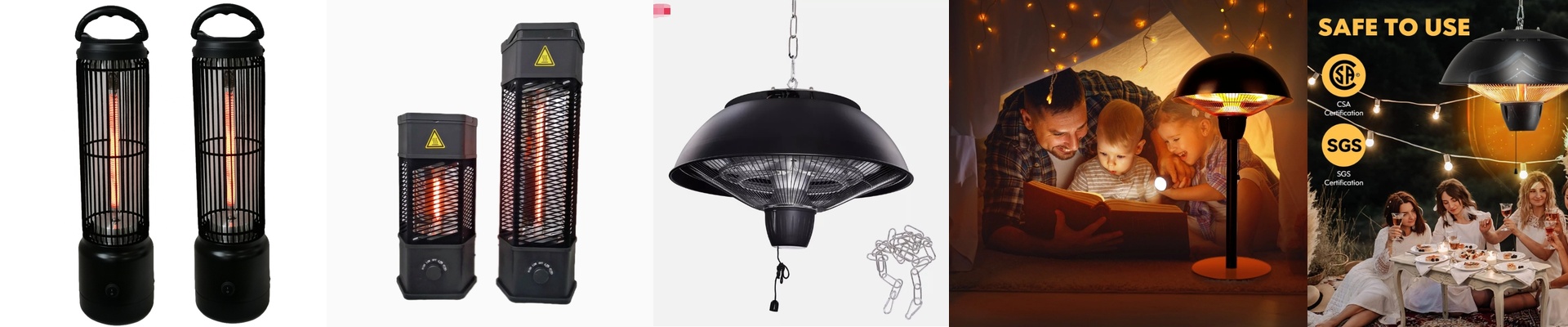
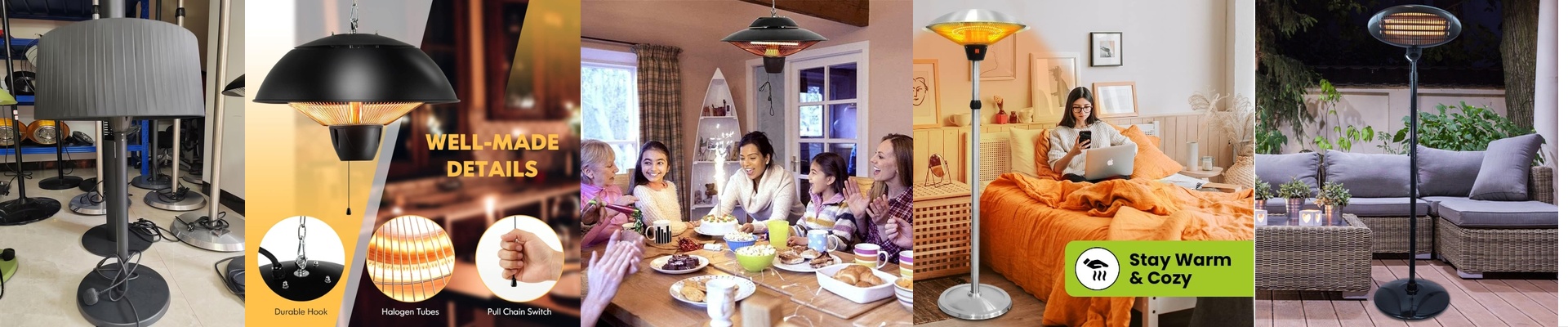
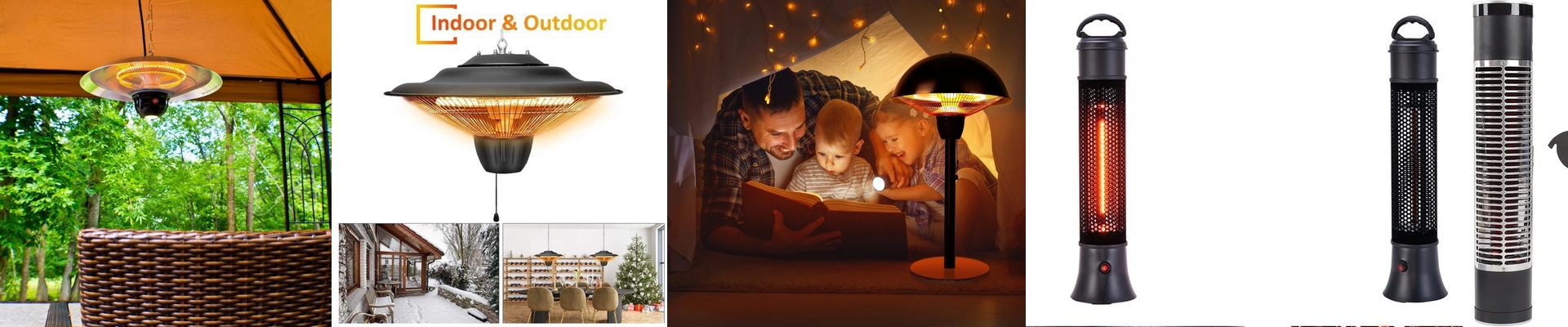
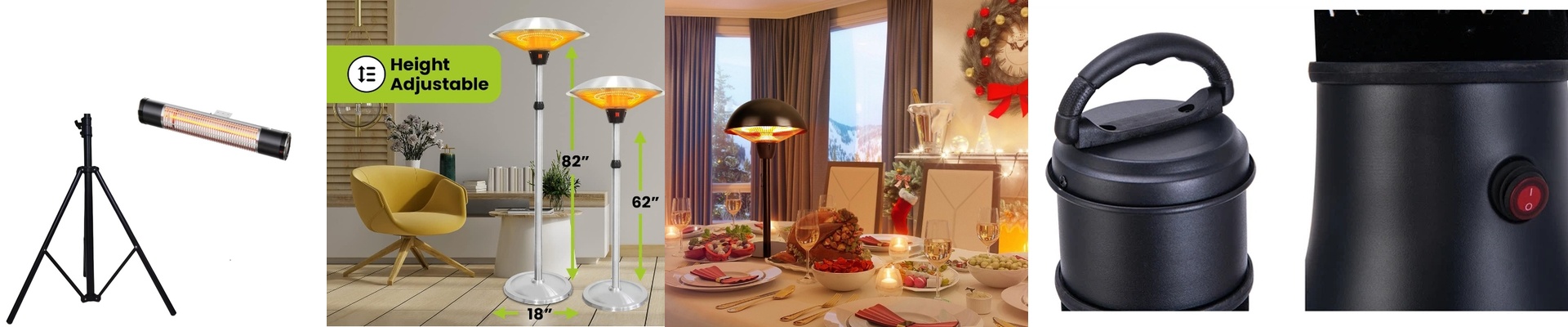
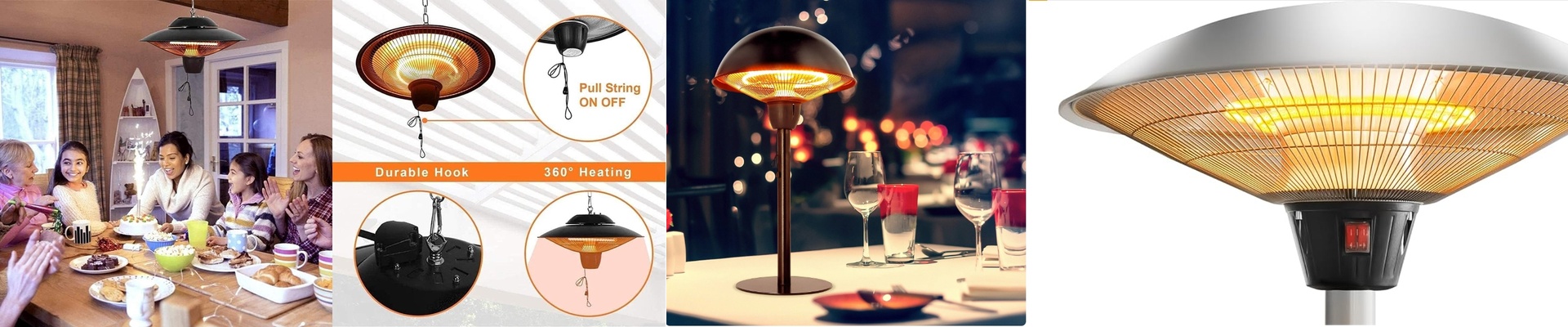
On a cool evening, the last thing you want is to reach for the thermostat and watch the power meter climb. Traditional electric oil-filled radiators and older patio heaters can feel like money going up in warm air—slow to heat, slow to recover, and even slower on the wallet. The real question is practical: can you keep the backyard comfortable without the bill?
What matters, technically
Infrared backyard heaters work differently. They don’t try to warm the air and then watch it drift away. They deliver radiant warmth—direct heat that travels outward and warms people, furniture, and surfaces first. Many outdoor electric infrared models use carbon fiber elements or quartz tubes to produce medium-wave infrared, which strikes a practical balance between penetrating warmth and fast response. In practice, you feel the heat within seconds of turning the unit on, not minutes. A typical 1500W infrared heater can cover targeted zones, so you don’t have to overheat a large volume of air. Because the heat is directional, the perceived warmth at your seating area can match what a higher-wattage convection heater would put out—often at a lower running cost.
Why this makes sense outdoors
Backyards are open, drafty, and exposed. Convection heat struggles to hold steady when the air keeps moving. Radiant infrared warmth stays focused where you aim it, so you can keep conversations going, keep dinner plates warm, and stretch the evening—without constantly chasing the settings. Efficiency shows up where it matters: on the bill. In side-by-side use, infrared units often hit the same “feels warm” level with less total energy, because they don’t waste output heating air that just escapes. You get faster comfort, quieter operation, and more control over the micro-climate on your patio.
The details you need to get right
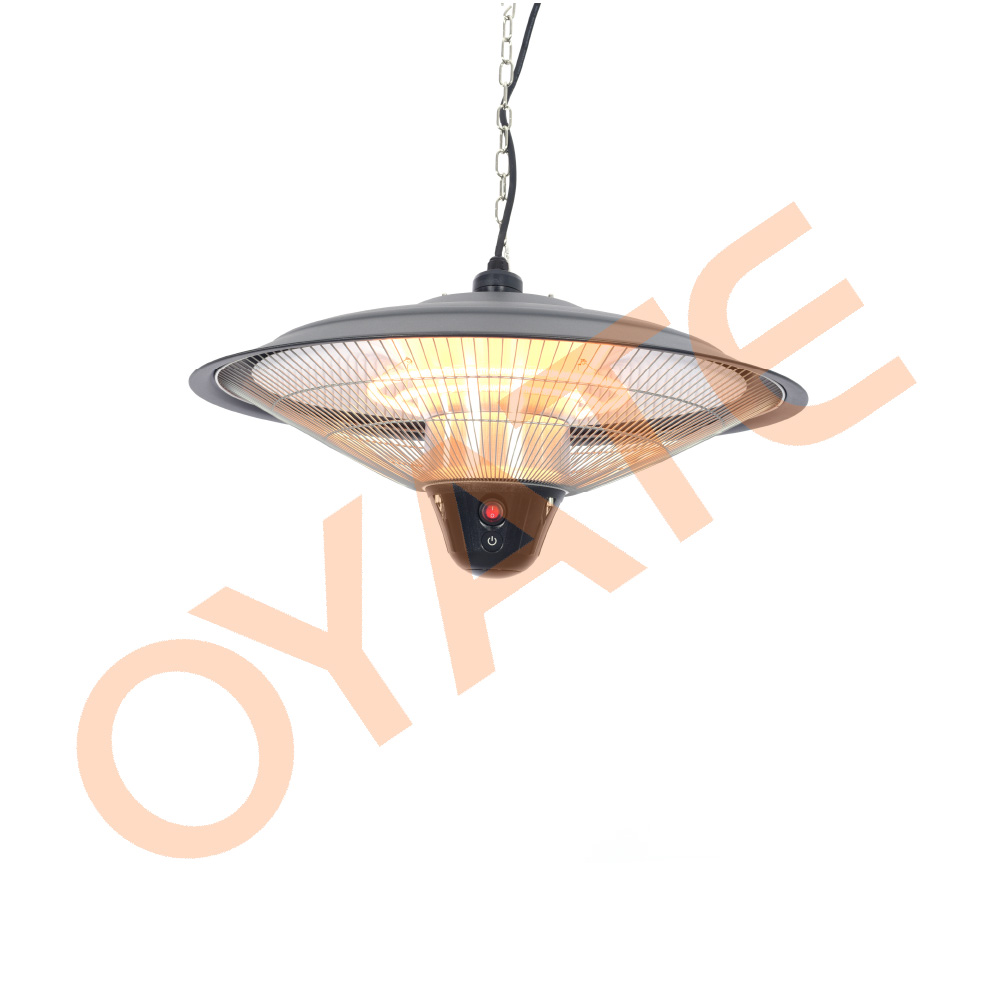
Infrared heat works best when it has a clear line of sight to the people and objects you want to warm. Ceiling-mount or wall-mount placement is usually the cleanest solution—aim the heater toward the seating area and keep obstructions out of the way. For outdoor use, look for an IP rating suitable for damp conditions and keep the unit protected from direct rain. One practical trade-off: infrared warmth doesn’t heat the surrounding air, so very windy spots can still feel cooler. Pairing a directional infrared heater with a wind screen—or choosing a sheltered mounting position—helps keep comfort consistent.