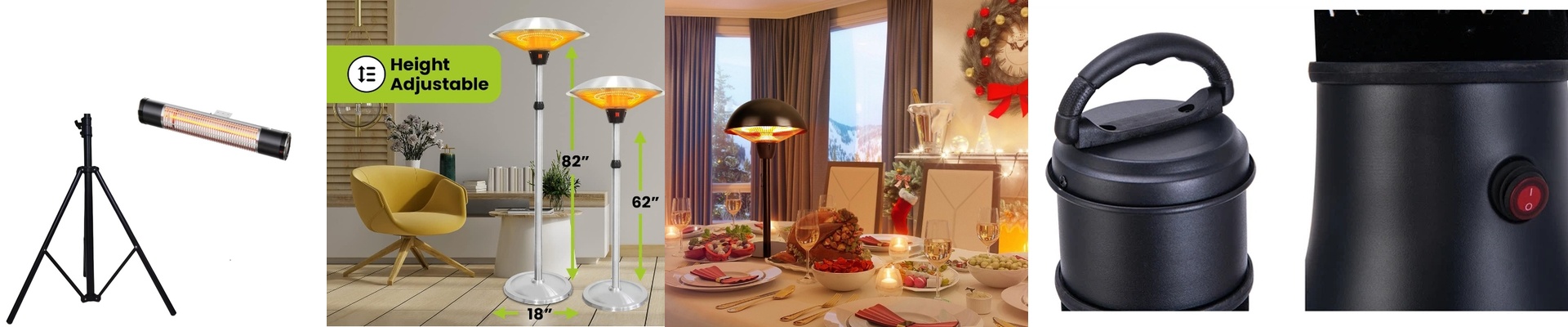
Stop Letting Your Patio Go to Waste in the Winter
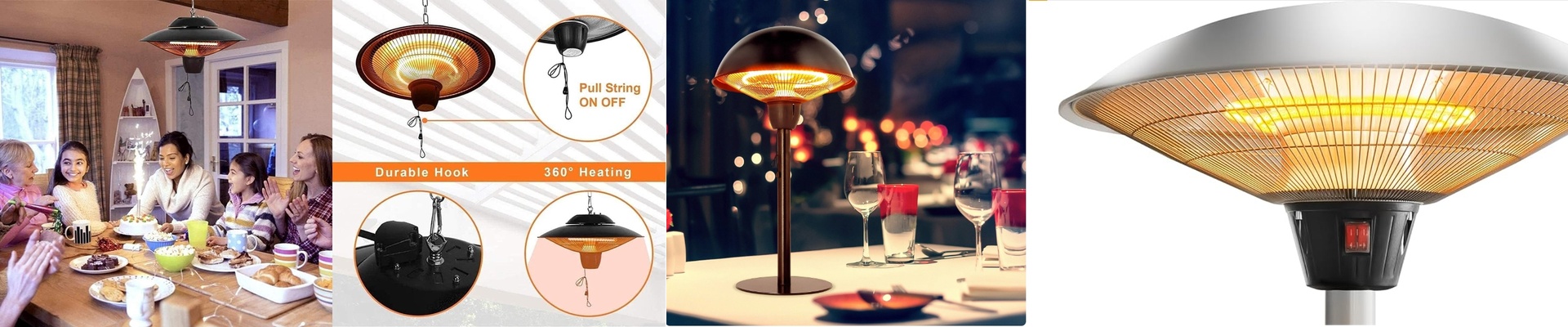
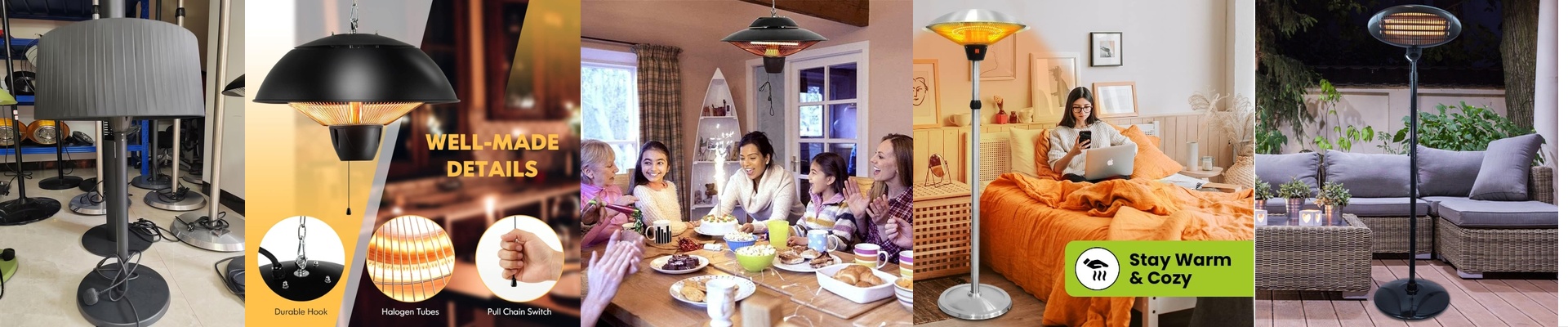
It’s a frustrating cycle. As soon as the temperature drops, your outdoor seating becomes a ghost town. You might try those standard space heaters, but they’re mostly useless outdoors. Why? Because they try to heat the air. In an open-air setting, that warm air just floats away into the sky, leaving your guests shivering in their coats. We do things differently. We use shortwave infrared. Instead of fighting the wind, these units beam heat directly onto your customers’ skin and clothes. It’s like sitting in the sun on a crisp October morning. The air around them might still be cold, but they feel warm. Immediately.
The Trick to High Ceilings
If your ceilings are higher than 4 meters, you’ve got a problem: heat dissipation. Most heaters just can’t reach the ground with any real punch. That’s why we use high-wattage emitters. Shortwave radiation is faster and travels further than the longwave stuff you find in cheap heaters. It doesn’t wander; it hits the target. You flip a switch, and the warmth is there. No waiting around for the unit to “warm up” while your guests are eyeing the exit.
The Nitty-Gritty on Gear
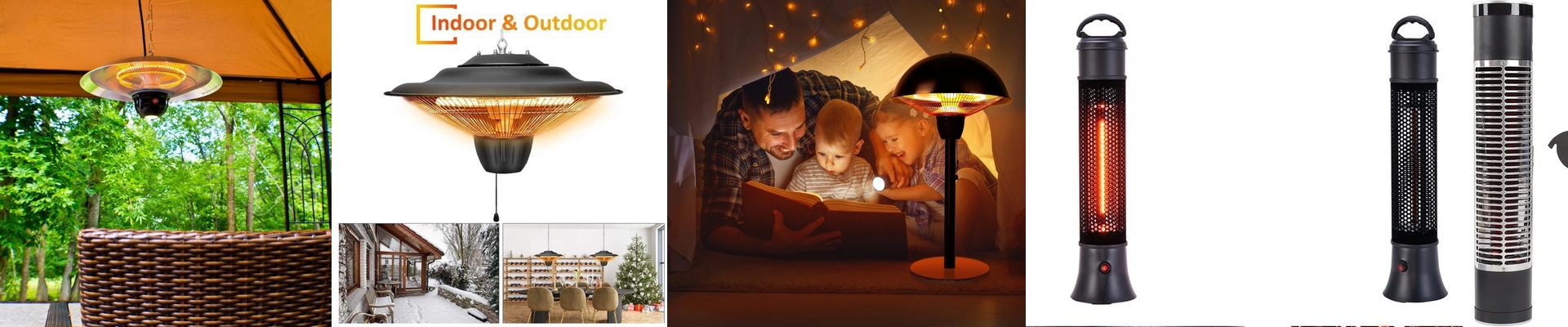
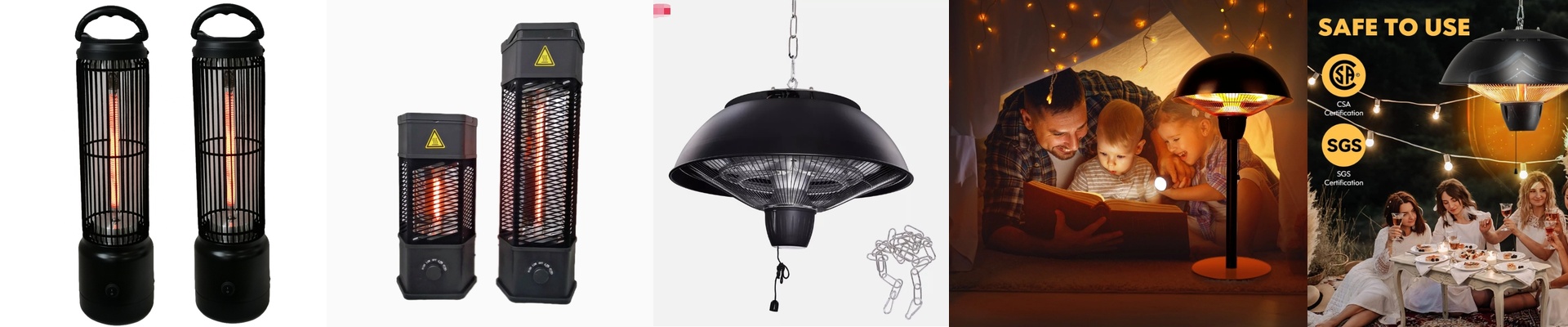
These aren’t flimsy home appliances. We build these for the grind of a commercial kitchen and patio. We use quartz glass tubes with special coatings that push the heat straight down where it belongs. The mounting brackets are industrial-grade, too, so you don’t have to worry about them rattling loose or sagging under their own weight. One heads-up:don’t just plug these into a regular wall outlet. A bank of 2000W-3000W heaters will trip a standard residential breaker in seconds. You’ll need a dedicated circuit. Just make sure your electrical panel can handle the load before you start drilling holes in the ceiling.
Is It Actually Worth the Money?
Here is the bottom line: if you can bump your patio temperature up by 5 or 10 degrees, people stay. When people stay, they order another round of drinks. They order dessert. They don’t rush off to beat the chill. You’re essentially turning a dead zone into a profit center for a few extra months a year. But there is a catch. Infrared heat is focused. If you space the units too far apart, you’ll end up with “cold spots”—those annoying gaps where one table is toasty and the next is freezing. To avoid that, you have to overlap the heating zones. It means buying a few more units upfront, but it’s a lot cheaper than listening to a customer complain that they can’t feel their toes.