Electric Caravan Heaters: The Warm-Up on Specs, Halogen Tech, and R7s Wiring
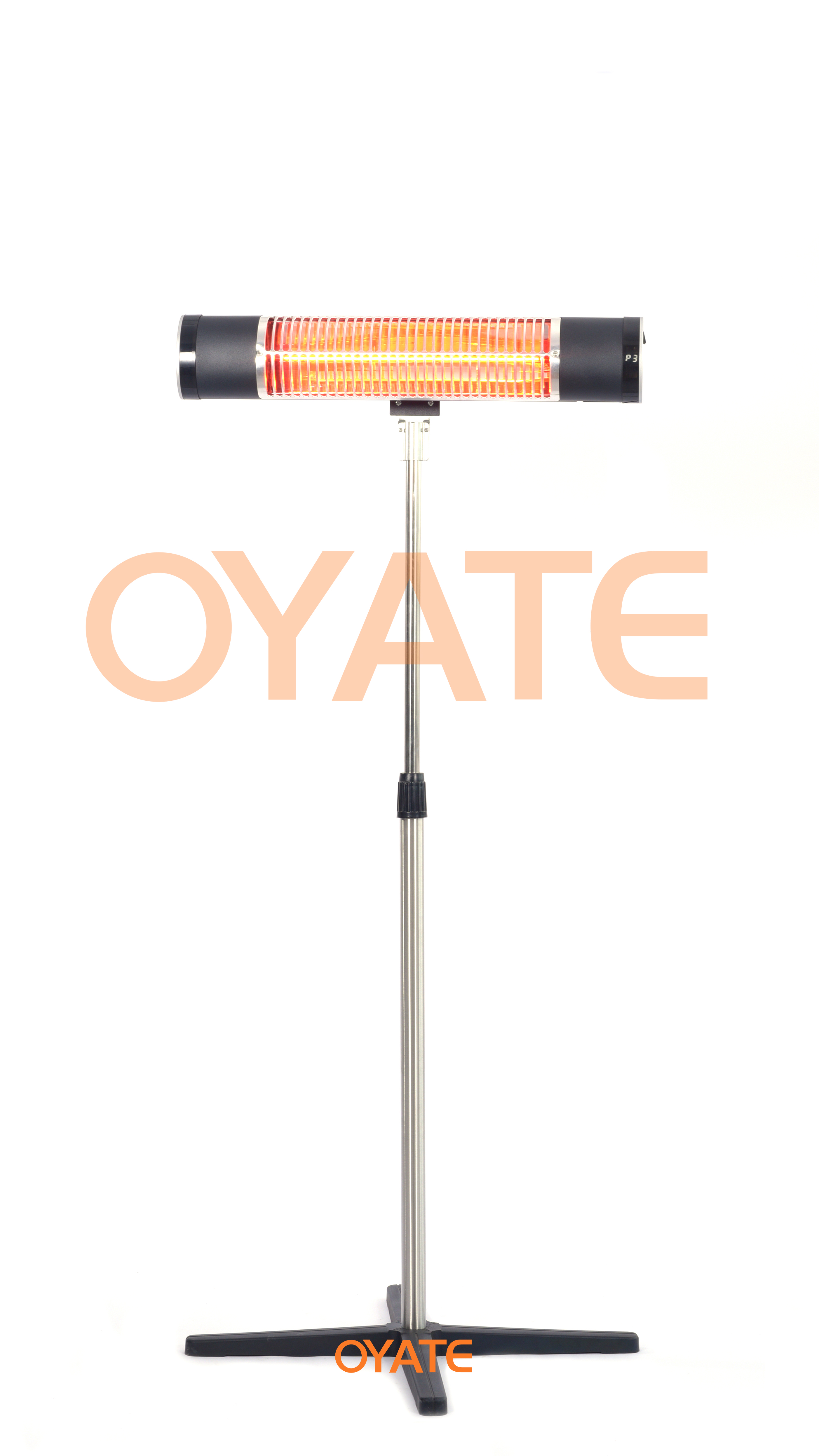
We built our electric caravan heaters around one smart idea: a compact halogen lamp module that’s high-intensity and seriously focused. The whole point? Give you heat you can control, right where you need it—especially in tight spaces where gas isn’t practical or when you just want warmth, fast.
Power, Voltage, and Size
These heaters run on 230V, so they plug right into standard site power and most onboard systems. No hassle. The lamp fits a 300mm (12-inch) quartz tube, so it drops into existing brackets without reworking the mounting spot. Clean and simple. Wattage is chosen to balance heat output with current draw. More wattage means a quicker warm-up, but it also means more current through the wiring. So you’ve got to match the fuse and switch to the load. Get that right and the whole setup just feels solid.
Halogen Lamp Design and R7s Wiring
Halogen elements run hotter than regular filaments, and that’s actually a good thing. It keeps the quartz tube clean and helps the output stay steady over the lamp’s life. And the tube is quartz, not regular glass, because it can handle the shock of switching on and off quickly. No drama. We use R7s connectors because they lock in tight and carry the full load without wiggling loose. The two-pin design also makes wiring straightforward, so installation is quick and servicing in the field doesn’t feel like a puzzle.
Real-World Use—And What to Keep in Mind
In a caravan, the heat is direct and radiant. You feel it almost instantly, without waiting around for air to start moving. The footprint is small, so you keep room for other gear, and the R7s connection keeps the wiring tidy. Just one thing: because the halogen runs hotter, you need decent clearance and ventilation. If the heater sits in an enclosed space, plan for airflow. That way, everything stays cool enough to run safely.