


Introduction
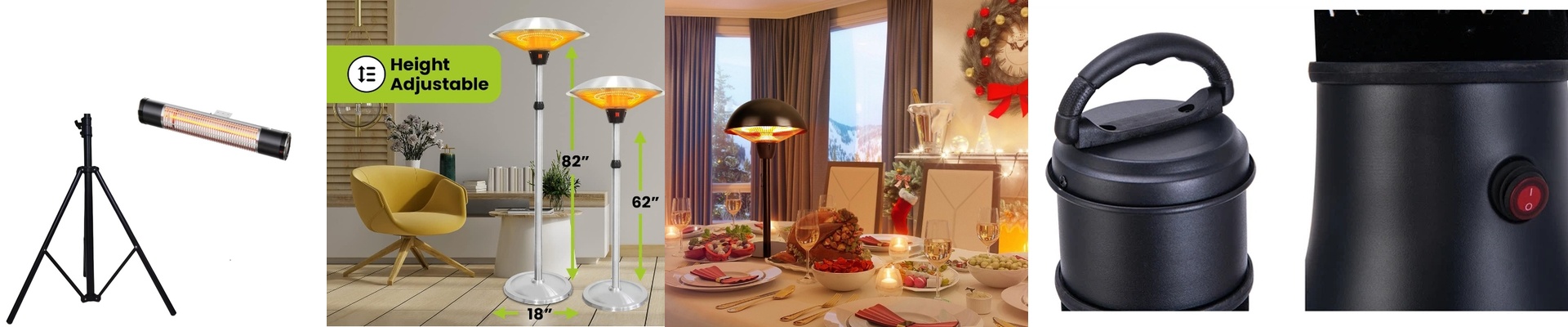
Ever been stuck in an industrial space where you need serious heat, fast, but there’s absolutely no room for another bulky machine on the floor? We’ve been there. That’s exactly why we built our wall-mounted electric heaters. They cut right to the chase. The heart of the unit is a high-output halogen tube that throws off direct, focused radiant energy. It’s all about getting heat where you need it, when you need it. And the whole thing is designed to get up and running quickly—easy to mount, easy to wire, and gives you precise control over the temperature for jobs that demand an instant blast of heat.
The Power Behind the Heat
Here’s the thing about how this heater is built. It runs at 400V and packs 2500W of power. It’s a deliberate choice to cram a ton of heat into a small space. The 300mm tube concentrates all that wattage into a tight footprint, so you get a huge amount of power right where you need it. And running at 400V is smart. It means the current draw is lower than you’d get with a lower-voltage option. That keeps your wiring simpler and prevents voltage from dropping off over longer runs. Less hassle, more consistent performance.
What It’s Made Of
Inside the tube, you’ve got a quartz envelope and a special reflective coating. The coating does two big jobs. It keeps the heat focused in one direction and helps the filament stay at a stable temperature. So you get maximum energy going forward, with way less wasted heat. The tube itself is a simple, straight-fit, two-pin design with an R7s connector. That means it’s a drop-in replacement when you need a new one. It’s built to handle high heat at the base and locks in securely to the reflector. No fuss, just a solid connection.
Where It Shines (And What to Watch For)
These heaters are workhorses for spot heating, pre-heating molds, or helping out during plastic processing. The wall-mount design is a lifesaver—it clears up floor space and puts the heat source exactly where your process needs it. But with that kind of power density, you do need to plan ahead. A 2500W tube is going to need proper cooling and ventilation to keep nearby components from overheating. Get your airflow sorted, and you’re golden. You’ll get fast, controllable heat with almost no fuss or maintenance.