Why Your Bathroom Heater Shouldn’t Blind You
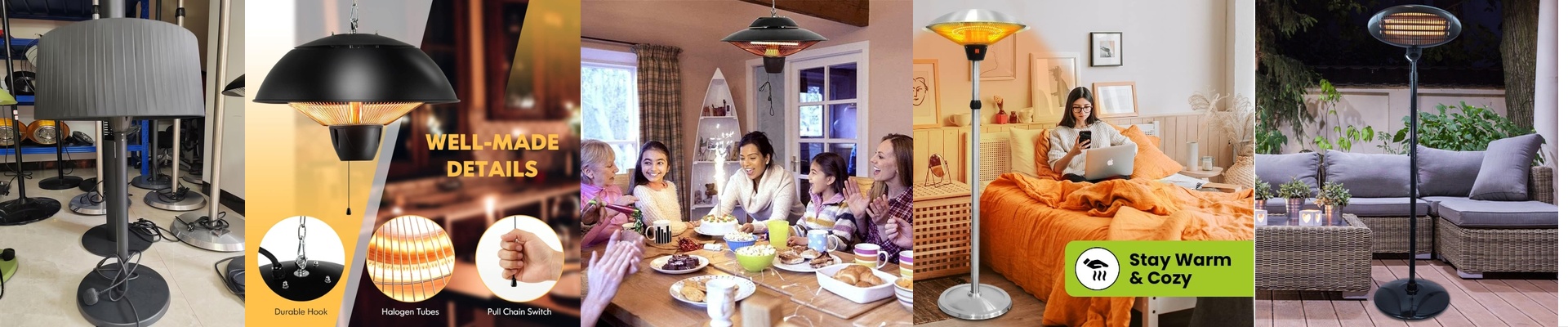
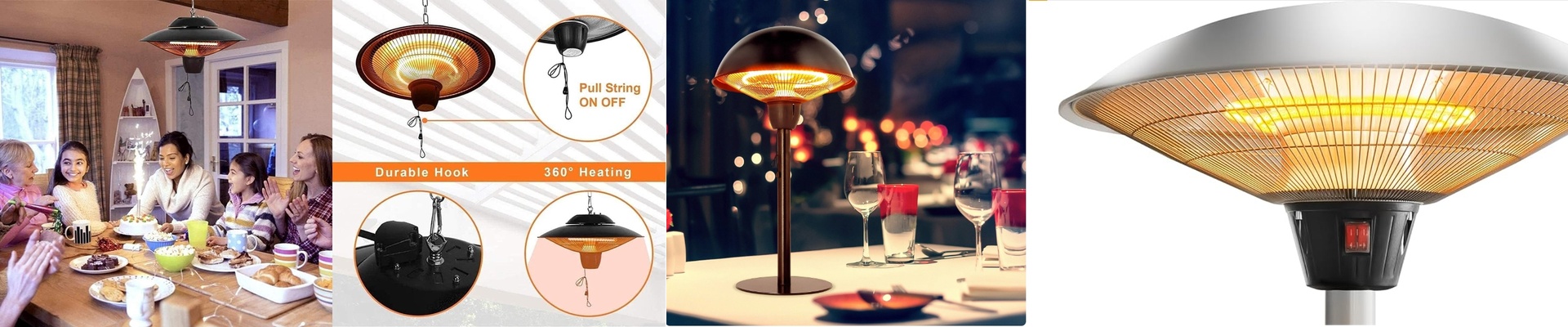
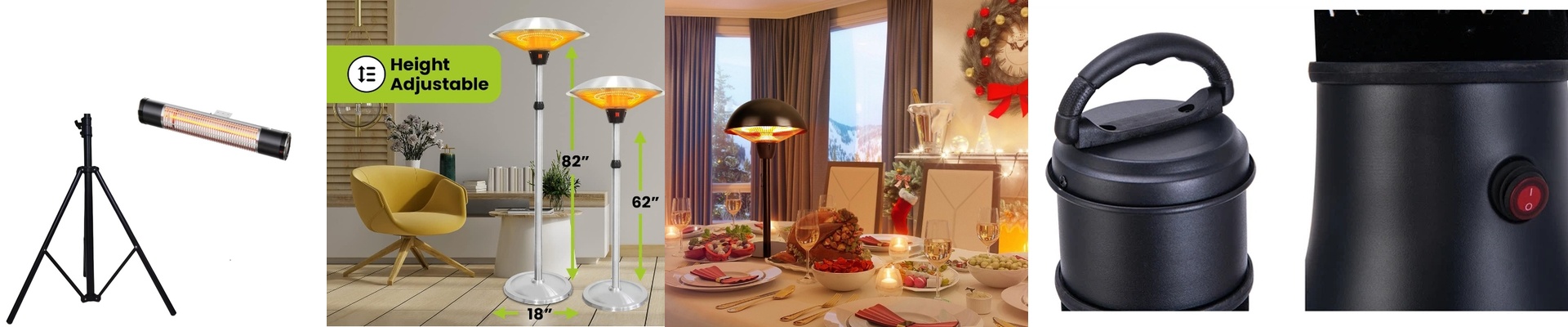
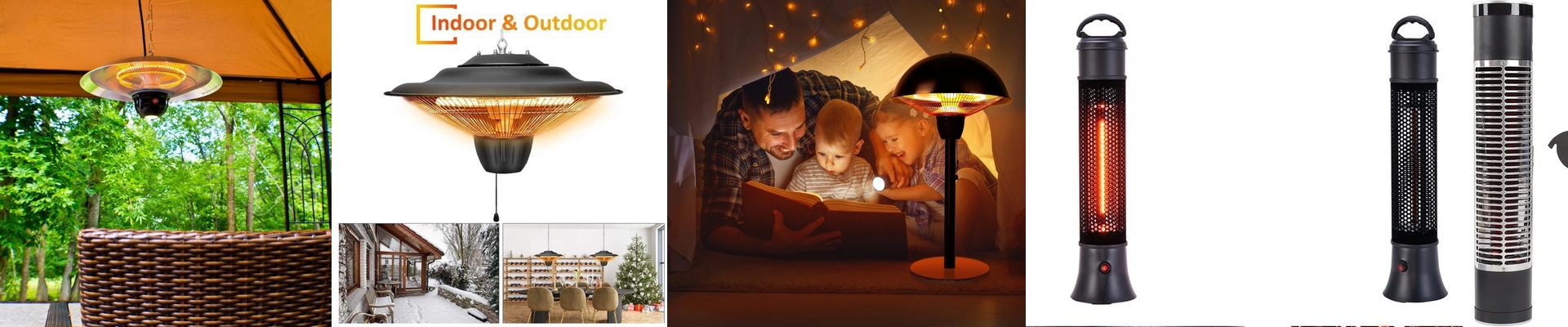
Let’s be honest: nobody likes stepping out of a hot shower into a freezing cold bathroom. It’s a shock to the system. To fix that, we use short-wave infrared quartz lamps. They’re great because they give you that instant, cozy warmth the second you flip the switch. But there’s a catch. Standard IR lamps can be blinding. That harsh glare isn’t just annoying—it can actually be tough on the eyes. And if you’ve got a baby in the house, it’s even more concerning since their eyes are still developing. Fixing the glare We don’t just dim the lights to solve this. Instead, we mess with the physics of the light itself. By adding a special coating to the quartz glass or using a filtered filament, we shift the light spectrum. Basically, we strip away the blinding white light and the harmful UV rays. What’s left is the infrared heat that sinks into your skin and keeps you warm, without making you squint. It’s a subtle change, but it makes a huge difference in how the room feels. Dealing with steam and splashes Bathrooms are brutal on electronics. Between the steam and the occasional splash, water is always trying to find a way in to cause a short circuit. To stop that, we seal the lamp inside a heat-resistant glass shroud. Think of it as a protective bubble. If a stray drop of water hits a quartz tube that’s sitting at 500°C, the glass will shatter instantly. The shroud acts as a buffer, keeping the water away and the glass intact. The trade-offs Nothing is perfect. When you filter the light to protect your eyes, you lose a bit of brightness. But let’s be real—you’re in there to get warm, not to light up a stadium. There’s also the issue of trapped heat. Since the filter and shroud hold onto some of that warmth, the inside of the unit gets incredibly hot. That’s why we don’t use cheap PVC wiring; it would just melt and burn out after a few months. We use high-temp silicone or fiberglass sleeves instead. Just a heads-up: make sure your ceiling ventilation is up to the task. You need a bit of breathing room around the mount so the heat doesn’t just build up in the attic.