Fixing those annoying heat gaps in your PET blow molding
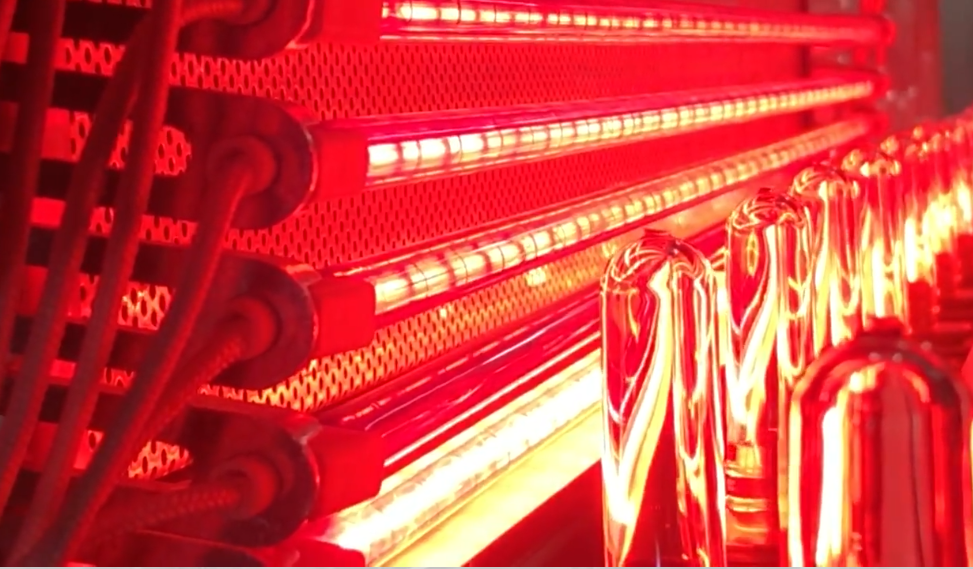
If you’re running KHS or Krones machines, you know the frustration of uneven heat. One minute everything is fine, and the next, you’ve got bottles with wonky wall thickness or shapes that just look… off. Usually, it comes down to the IR radiators. Either the spectral output is drifting or the quartz envelope is just worn out. It’s a pain. That’s why we built our 400V IR radiators to be simple drop-in replacements. You swap them out, and those thermal gaps just disappear.
Why the 400V setup actually matters
Here is the thing about 400V: it lets us pack more power into the tube without making the lamp physically bigger. It’s about speed. Your filament hits the right temperature fast, which means your line doesn’t have to slow down. We also tweaked the tungsten filament geometry. Why? Because “cold spots” at the ends of the tube are a nightmare for consistency. With this design, the heat is flat. The preform gets the same amount of energy from the center all the way to the edges. No surprises.
The grit: Quartz and Connections
Not all glass is created equal. A lot of the generic tubes out there actually soak up energy through the glass wall instead of letting it hit the plastic. We use high-purity quartz so the IR transmission is as clean as possible. Plus, these things are built to take a beating. Rapid heating and cooling (thermal shock) usually kills cheap lamps, but these hold up. And we didn’t overcomplicate the wiring. We use standard industrial connectors, so you can plug them right into your existing harness. No hacking, no modifying, no guesswork. It’s a tight fit. No arcing, no loose wires, just a solid connection.
Real-world talk: The trade-offs
These radiators give you the heat density you need for high-speed production. You’ll notice a much steadier heat field than what you get with old, tired OEM lamps. But a quick heads-up: pushing high wattage through a 400V system puts more stress on your oven’s cooling fans. If your vents are clogged with dust, the ambient temp will spike. That’s a shortcut to frying your lamp sockets. Do yourself a favor—check your airflow before you install these. It’ll make your equipment last a lot longer.