
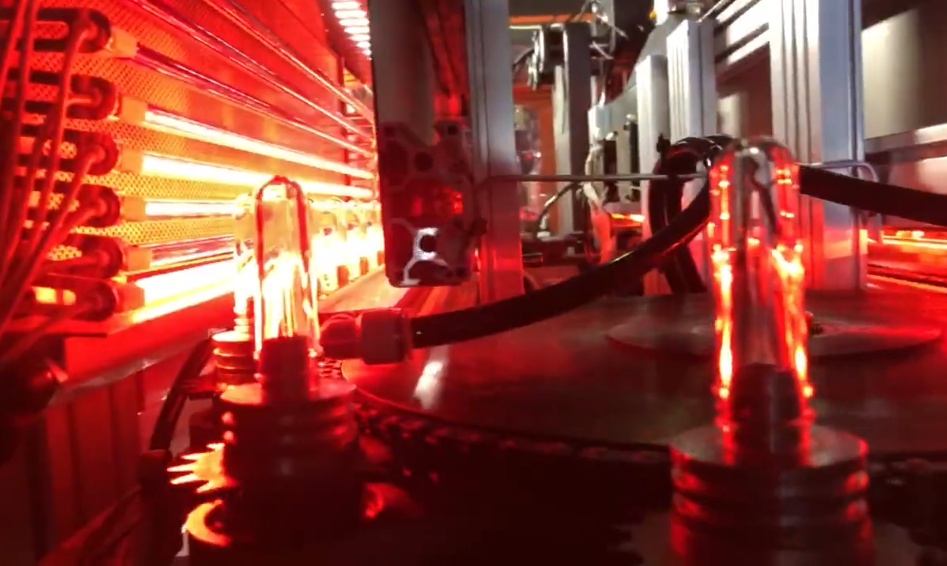
Sidel SBO 8 Series 2 Infrared Bulb: The Fix That Actually Solves the Problem
You know that headache on the shop floor when your KHS blow molding line just can’t get the PET heating right? Yeah, me too. It’s usually the heat source, not the machine. So we built this bulb as a direct, plug-and-play answer to get that thermal control back.
Power, Voltage, and the Size That Matters
This thing runs at 400V and 2500W, packing serious heat into a small space. That means it heats up fast, so you spend less time waiting around for the blow molder to get ready. And the size? It’s a 300mm tube, exactly the same as the original Sidel SBO 8 Series 2. So you don’t have to mess around with new brackets or fighting for clearance. Just a heads-up, though. That 400V setup pulls less current than lower-voltage options, but it also means your machine’s electrical and cooling systems need to be up to the task. The cabinet will run hotter. Make sure the airflow is good and the thermal limits are solid before you make the swap.
What’s Inside: Halogen, Quartz, and a Smart Design
At the heart of it is a shortwave infrared design, with halogen gas inside a quartz tube. The halogen keeps the filament stable and helps the bulb last longer by cutting down on evaporation, so the heat output stays steady. The quartz tube is tough, too. It can handle all those rapid start-stop cycles without cracking under the stress. We also added a reflective coating to focus the heat right where you need it. Less wasted energy, more consistent results across the heating zone. And it uses an R7s bi-pin connector that locks in tight, stays aligned even with vibration, and makes it a straight-up replacement for the SBO 8 Series 2 sockets.
Why It Works for KHS: Better Heat, Fewer Rejects
This bulb was built for KHS machines that struggle with uneven heating. The focused shortwave output gives you a tight, repeatable heat profile across the PET preform area. That means no more hot spots and cold streaks. The payoff? Fewer rejects and a more consistent bottle wall thickness. Installation is simple. Swap the lamp, wire it up, and recalibrate the zone. But here’s the honest part—that high heat density means your machine’s cooling and electrical parts need to be in good shape. If your cabinet already runs hot, sort out the thermal management first. Then you’re good to go.