


Getting the Heat Right for Husky HyPET Systems
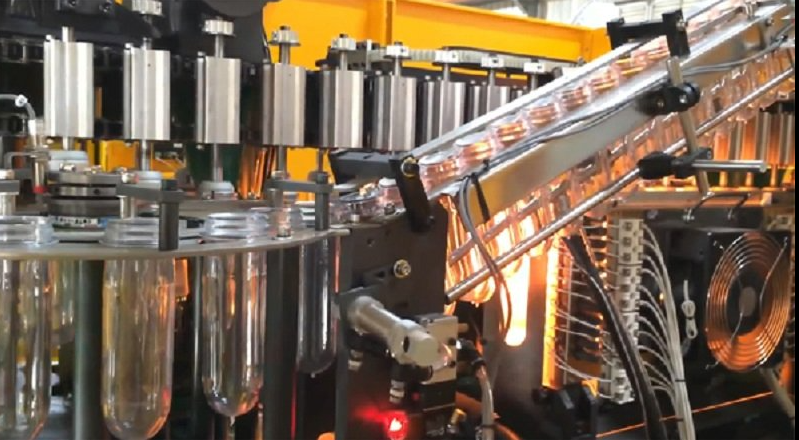
If you’ve spent any time with high-speed PET blowing, you know the struggle. You’re fighting that thermal gradient. When the outside of the preform is scorching but the core is still cold, you end up with pearlescence and walls that just won’t stay consistent. It’s a headache. That’s exactly why we built our heating modules the way we did. We wanted to fix that penetration problem for Husky HyPET setups once and for all. Getting the heat deeper Most standard lamps just bake the surface and waste a ton of energy. We took a different approach. By tweaking the halogen fill and the tungsten filament density in the quartz tube, we shifted the emission peak. Basically, we made the light “match” the PET resin. Now, the heat doesn’t just sit on the skin; it actually travels toward the center. More power, less space HyPET machines move fast. To keep up, we packed a lot of wattage into every centimeter. We used higher voltage configurations so we could push more power through the filament without making the module any bigger. It’s a simple drop-in replacement that hits your target temperature way faster. One heads-up, though: all that concentrated heat puts a lot of pressure on your oven’s ventilation. If your blow-off air isn’t dialed in, you might find the neck ring getting too hot. Keep an eye on that. Built for the real world We used heavy-duty quartz glass because we know these things can bow under high thermal stress. We also toughened up the connectors. In a fast-paced shop, change-overs can be rough, and the last thing you need is a loose connection causing an arc and burning out your line. The best part? You just wire them straight into your existing Husky power rails. No hacking the chassis, no weird modifications. We handled the physics of the heat transfer so you can just focus on hitting your max BPM.